The Comfort Trap: 7 Ways Your DFW Roof is Secretly Costing You Thousands in 2026
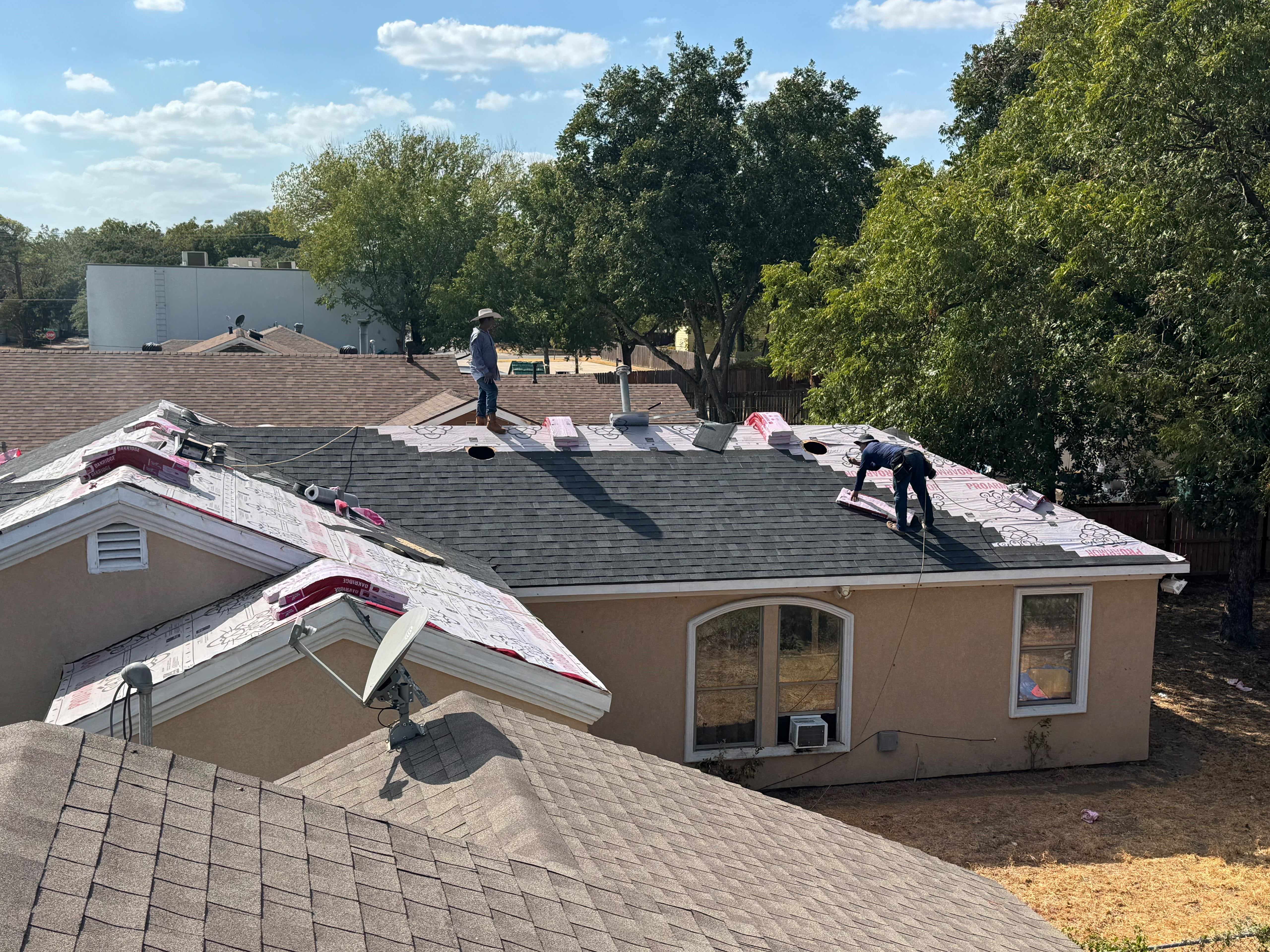
You're sitting in your living room in Plano, maybe catching up on the news or just enjoying a quiet afternoon. It feels… comfortable. The temperature is just right, you don't hear the wind howling outside, and you're not thinking much about your roof at all. That's the comfort trap. It's the insidious way that a seemingly "fine" roof can be actively costing you money, draining your energy, and setting you up for expensive problems down the line. Here in DFW, with our intense summers and unpredictable weather, a compromised roof isn't just about leaks; it's a constant drain on your wallet and your home's efficiency.
What is the "Comfort Trap" in Your DFW Home?
Think about it: when your home feels consistently comfortable, your first instinct isn't to scrutinize the roof. You've got the thermostat set, the windows are closed, and life is good. But that feeling of comfort can be a deceptive blanket, hiding the fact that your roof might be working overtime, or worse, not working at all, to keep your home efficient and protected. In North Texas, where we experience extreme temperature swings, this is especially critical. A roof that isn't properly ventilated or insulated is like having a leaky sieve for your home's climate control. Your HVAC system has to work much harder – sometimes 24/7 – to maintain that comfortable temperature you're enjoying. This constant strain translates directly into higher electricity bills. What most homeowners don't realize is that the energy escaping through a compromised roof can account for a significant portion of their monthly energy costs. We've seen homes in areas like Frisco and McKinney where a simple roof tune-up, addressing ventilation and minor insulation gaps, can lead to noticeable drops in energy bills, sometimes by as much as 15-20%.
Don't wait for a visible problem like a leak to inspect your roof. Regular, proactive inspections, especially after significant weather events common in DFW, are the best way to catch issues before they become expensive "comfort traps."
The comfort trap isn't just about immediate energy waste; it's also about long-term damage. A roof that's constantly battling the elements without proper support – think inadequate ventilation leading to moisture buildup, or missing shingles that allow water intrusion – is a roof that's degrading faster than it should. This means you'll likely face a full roof replacement sooner than you would otherwise. Considering the average cost of a new roof in the DFW area can range from $10,000 to $25,000 or more, avoiding premature replacement is a huge financial win. The comfort you feel today can lull you into a false sense of security, while your roof slowly deteriorates, setting you up for a much larger bill in the future.
The Silent Energy Drain: How Poor Roof Ventilation Costs You in 2026
This is where things get really interesting, and honestly, a bit frustrating because it's so often overlooked. Proper roof ventilation is absolutely critical for a healthy and energy-efficient home, especially here in the DFW climate. Your roof's ventilation system – typically a combination of soffit vents (at the eaves) and ridge vents (at the peak) – works like your lungs for the attic space. In the summer, it allows hot, humid air to escape the attic, preventing it from baking down into your living space. In the winter, it allows moisture to escape, preventing condensation that can lead to mold, mildew, and wood rot. When this system is blocked or inadequate, the consequences are significant.
In the sweltering DFW summers, a poorly ventilated attic can reach temperatures of 150°F or even higher. This intense heat radiates downwards, forcing your air conditioner to work overtime. Your AC might be running constantly, but it's fighting an uphill battle against the radiant heat from your attic. You're essentially paying to cool your attic, and then paying again to cool your living space. This isn't just a little inefficiency; it's a major energy drain. Studies by organizations like the U.S. Department of Energy have shown that improving attic ventilation can reduce cooling costs by as much as 10-15%. For a homeowner in Arlington or Fort Worth, where AC usage is high for much of the year, that's thousands of dollars saved over time.
Many older DFW homes, or homes where renovations weren't done by professionals, have inadequate or completely blocked soffit vents. Insulation can easily fall and block these crucial intake vents, severely hindering airflow. This is a common culprit in the "comfort trap."
Beyond energy costs, poor ventilation can lead to serious structural damage. The trapped moisture in the attic creates a perfect breeding ground for mold and mildew. This isn't just an aesthetic problem; it can lead to respiratory issues for your family and can significantly damage the wooden components of your roof structure. Over time, this moisture can even compromise the integrity of your insulation, reducing its effectiveness and creating even more energy loss. And in the winter, that trapped moisture can freeze and thaw, causing expansion and contraction that can damage shingles and decking. It's a vicious cycle that starts with a simple oversight in ventilation.
How to Get This Done
DIY Inspection: Safely check your attic. Look for clear, unobstructed soffit vents (usually along the eaves). Ensure there's a clear path for air to flow. Check for signs of moisture, mold, or condensation on the underside of the roof deck. If you see insulation piled up against the soffits, it needs to be addressed.
Professional Solution: A qualified roofing contractor like Montesco Roofing can perform a thorough ventilation assessment. We can identify blockages, recommend the right balance of intake (soffit) and exhaust (ridge) vents for your specific roof design, and ensure proper installation to maximize airflow and energy efficiency. If you're experiencing high energy bills or attic moisture issues, it's worth exploring our professional assessment and ventilation solutions.
Attic Insulation: Your First Line of Defense Against the Comfort Trap
If ventilation is the lungs of your attic, then attic insulation is its cozy blanket. It's the primary barrier that keeps the heat outside during our scorching DFW summers and the warm air inside during our cooler (but still sometimes chilly) winters. When your attic insulation is insufficient, damaged, or improperly installed, it's a direct pathway for energy loss, contributing significantly to that comfort trap we're talking about.
Here in Texas, the Department of Energy recommends an insulation level of R-38 for attics. This translates to roughly 12-15 inches of fiberglass or cellulose insulation, depending on the type. Many homes, especially older ones built before energy efficiency became a major focus, often have significantly less. If you can see the tops of your ceiling joists when you look up in the attic, you likely don't have enough insulation. When insulation is inadequate, heat transfers freely. In the summer, that 150°F attic heat will easily penetrate your ceilings, making your living space hotter and forcing your AC to work harder. In the winter, the warm air from your home escapes upwards into the uninsulated attic, making your heating system struggle to keep up. This isn't just about comfort; it's about the sheer waste of energy. Over the years, these added energy costs can easily add up to thousands of dollars, far exceeding the cost of adding more insulation.
Key Insight
Insulation works by trapping air pockets. When insulation gets compressed, wet, or damaged (e.g., by rodents or leaks), its ability to trap air is compromised, significantly reducing its effectiveness. This is why checking the condition, not just the depth, of your insulation is crucial.
What many homeowners don't realize is that insulation can also be compromised by other roofing issues. If you have a small leak that's gone unnoticed, or moisture buildup due to poor ventilation, your insulation can become wet. Wet insulation loses its R-value (its ability to resist heat flow) dramatically. It can also become a breeding ground for mold and mildew, creating health hazards and further degrading the material. When we're called out for roof inspections in areas like Rowlett or Garland, we often find that homeowners are unaware of the state of their attic insulation, and it's a significant contributor to their energy bills and comfort issues.
Inadequate Insulation
HVAC runs constantly.
DiscomfortHot spots in summer, cold spots in winter.
Premature WearHVAC system and roof components stressed.
Proper Insulation (R-38+)
HVAC cycles less frequently.
Consistent ComfortEven temperatures throughout the home.
Extended LifespanReduced strain on systems.
Adding insulation is often one of the most cost-effective home improvement projects you can undertake, especially in a climate like DFW's. It directly combats the energy waste that keeps you trapped in a cycle of high bills and discomfort. A well-insulated attic, combined with proper ventilation, creates a more stable and efficient home environment, reducing the load on your HVAC system and extending the life of your roof.
The Hidden Cost of Roof Leaks: More Than Just Water Damage
We all know a leaky roof is bad. You see the drip, the water stain, maybe even mold. But the true "hidden cost" of roof leaks goes far beyond the immediate visible damage. These seemingly small issues, especially those that start subtly, are a major component of the comfort trap, silently eroding your home's integrity and your finances.
A small leak can go unnoticed for months, allowing hidden moisture to spread, leading to rot, mold, and structural damage that's far more expensive to repair than the initial leak.— Industry Best Practices, National Roofing Contractors Association (NRCA)
Here's the thing about DFW weather: it's often intense. We get sudden, heavy downpours, and our roofs are constantly exposed to UV rays and temperature fluctuations. A tiny crack in a shingle, a faulty flashing around a vent pipe, or a compromised seal in a skylight might not immediately result in a massive indoor waterfall. Instead, water might be slowly seeping into your attic space. This water then saturates your insulation. As we discussed, wet insulation is ineffective insulation, leading to massive energy loss. But it's also a prime environment for mold and mildew growth. Mold spores can spread throughout your attic and even into your ductwork, potentially impacting your family's health. The smell of mold can also permeate your home, creating an uncomfortable environment that your thermostat can't fix.
When inspecting your attic, look not just for active drips, but also for water stains on the underside of the roof decking or on the joists. These are indicators of past or slow leaks that could still be causing damage.
Furthermore, that slow seep of water can begin to compromise the wooden structure of your roof – the rafters, trusses, and the roof decking itself. Wood rot is a progressive problem. Once it starts, it weakens the structural integrity of your roof. This can lead to sagging, which is not only unsightly but also puts additional stress on the entire roofing system, potentially leading to further damage. Repairing rotted wood in an attic can be a complex and expensive job, often requiring specialized access and materials. It's a classic example of how ignoring a small problem, allowing it to fester within the "comfort" of your home, can lead to a much larger, more costly disaster.
How to Get This Done
DIY Inspection: Check your attic regularly for any signs of water intrusion, dark stains, or musty odors. Inspect accessible areas of your ceiling for new water spots. Look at your gutters and downspouts to ensure they are clear and directing water away from your foundation.
Professional Solution: Montesco Roofing specializes in identifying and repairing all types of roof leaks, no matter how small. Our storm damage inspection process is thorough and designed to find even the most hidden issues before they cause significant harm. We use industry-leading materials and techniques to ensure a lasting repair, protecting your home from future water intrusion and the hidden costs associated with it.
The cost of a minor roof repair might be a few hundred dollars. The cost of replacing a section of rotted roof decking, remediating mold, and replacing damaged insulation can easily run into the thousands. This is precisely why proactive leak detection and repair are so vital in escaping the comfort trap. It's about preventing the cascade of problems that start with a small breach and end with major structural and financial headaches.
Ignoring Your Roof's Age: The Ultimate Comfort Trap

Every roof has a lifespan. For the most common asphalt shingles used here in DFW, that lifespan is typically between 20 and 30 years, depending on the quality of the material, installation, and the environmental stresses it endures. When your roof is approaching or has passed this age, it's not just "old"; it's a ticking clock. Ignoring the age of your roof is perhaps the most direct route into the comfort trap, as it sets the stage for widespread failure.
As shingles age, they become brittle. The protective granules that shield them from UV rays begin to wear away, exposing the asphalt underneath to the sun's damaging radiation. This makes them more susceptible to cracking, curling, and becoming loose. You might start noticing more granules in your gutters – a clear sign that your shingles are deteriorating. An aging roof is also more vulnerable to wind damage. What might have been a minor gust that barely ruffled a newer roof can easily lift or tear off shingles from an older, brittle roof. This leads directly back to the issues of water intrusion and structural damage we've already discussed.

Don't rely solely on visual cues from the ground. While missing or curling shingles are obvious signs, an aging roof can have underlying issues like degraded underlayment or decking that aren't visible without a proper attic and roof surface inspection.
The real danger of an aging roof is that it often fails catastrophically. Instead of a slow leak, you might experience a widespread failure during a severe DFW storm, leading to significant damage to your attic, ceilings, and even the contents of your home. This isn't just an inconvenience; it can lead to a full roof replacement under emergency circumstances, potentially at a higher cost. Moreover, insurance companies often have policies regarding the age of roofs. If your roof is significantly old and suffers damage, your insurance claim might be denied or significantly reduced, leaving you responsible for the entire replacement cost. This is a harsh reality that many homeowners face, especially after a major storm event in areas like Mesquite or Richardson.
Key Takeaways
- Aging roofs are more susceptible to wind, hail, and sun damage.
- Granule loss is a key indicator of shingle deterioration.
- Insurance companies may limit coverage for older roofs.
- Proactive replacement of an aging roof is often more cost-effective than waiting for failure.
The "comfort" of having an older roof that "seems okay" is a dangerous illusion. The true cost comes when it finally gives way, often at the worst possible time. Planning for a roof replacement when your roof is nearing the end of its lifespan is a smart financial decision, allowing you to choose the materials, the timing, and the contractor, rather than being forced into an emergency situation. It's about taking control of your home's protection and budget.
DIY vs. Professional Roofing Solutions: Navigating the Comfort Trap
When faced with potential roofing issues, the DIY instinct can be strong. After all, who wants to spend money if they think they can fix it themselves? However, when it comes to roofing, especially in a demanding climate like DFW, the line between a quick fix and a costly mistake is often very thin. Understanding the difference between DIY and professional solutions is crucial to avoid falling deeper into the comfort trap.
For a truly minor issue, like a single shingle that blew off in a light breeze and there's no visible damage underneath, a homeowner might attempt a DIY fix. However, this is rare. Most issues that appear minor can have deeper implications. For example, trying to patch a small leak might only address the surface symptom, while moisture continues to spread within the attic. Furthermore, working on a roof is inherently dangerous. Falls can lead to severe injuries, and without the proper safety equipment and training, the risk is significant. In Texas, the weather can change rapidly, adding another layer of risk.
Key Insight
The "comfort" of saving a few dollars on a DIY fix can quickly turn into the "discomfort" of a serious injury, a failed repair that causes more damage, or a voided warranty. For anything beyond the most superficial cosmetic issue, professional expertise is invaluable.
A professional roofing contractor, like Montesco Roofing with over 13 years of experience serving the DFW area, brings a level of expertise, safety, and accountability that DIY simply can't match. We understand the nuances of DFW weather, the specific building codes, and the best materials for our climate. We also stand behind our work with warranties, giving you peace of mind that your investment is protected for years to come. When you consider the potential for costly mistakes, safety hazards, and the lack of long-term guarantees with DIY, the value of professional service becomes clear. It's about investing in a solution that truly lasts and prevents those hidden costs from accumulating.
Montesco Roofing: Your Partner in Escaping the Comfort Trap This Year
We've talked a lot about the problems – the silent energy drains, the hidden costs of leaks, the risks of an aging roof, and the importance of proper ventilation and insulation. The good news is that escaping the comfort trap isn't about enduring discomfort; it's about smart, proactive solutions that lead to greater long-term comfort and savings. That's where Montesco Roofing comes in. For over 13 years, we've been helping homeowners across DFW protect their most valuable asset – their home – by ensuring their roof is performing exactly as it should.

What Montesco Roofing Offers
Expert Inspections: We go beyond a visual check from the ground. Our team meticulously inspects your entire roofing system, including the attic, ventilation, insulation, and all vulnerable areas, identifying potential issues before they become major problems.
Quality Materials & Installation: We use only high-quality, durable materials from trusted manufacturers, installed by our certified, experienced crews who understand the DFW climate and building best practices.
Ventilation & Insulation Solutions: We can assess your current attic system and recommend upgrades to ventilation and insulation to maximize energy efficiency and protect your home's structure.
Transparent Communication: We believe in educating our clients. We'll explain exactly what we find, what needs to be done, why, and provide clear, detailed estimates. No high-pressure sales tactics, just honest advice from experienced roofing professionals.
Insurance Claim Advocacy: Dealing with insurance can be a nightmare. We have extensive experience working with DFW insurance companies and can help you navigate the claims process for storm damage, ensuring you get the coverage you deserve.
Our goal isn't just to fix your roof; it's to ensure your roof is a reliable protector that contributes to your home's overall health and efficiency. We see ourselves as partners with homeowners in areas like Plano, Fort Worth, and beyond, helping them make informed decisions that save them money and provide lasting peace of mind. Whether it's a minor repair, a ventilation upgrade, or a full roof replacement, we approach every project with the same commitment to quality and integrity. We understand that your home is your sanctuary, and protecting it is our top priority.
Ready to break free from the comfort trap and invest in your home's long-term health and efficiency? Our team has protected hundreds of DFW homes. Let us show you the Montesco difference. Schedule your free, no-obligation roof inspection today.
Get Your Free Roof Inspection →Frequently Asked Questions About DFW Roof Comfort Traps
What are the first signs my DFW roof might be trapping comfort (and costing me money)?
How much can poor roof ventilation actually increase my energy bills in DFW?
Is it worth adding insulation to my attic if my roof is old?
My roof is only 15 years old. Should I worry about the "comfort trap" yet?
How often should I have my DFW roof inspected?
Can Montesco Roofing help me with my homeowners insurance claim for roof damage?
What is the typical lifespan of a DFW roof?
Montesco Roofing Team
DFW's trusted roofing contractor with 13+ years of experience. Specializing in roof replacements, storm damage repair, and insurance claims across Dallas-Fort Worth.
Get in touch →