Building a better Roof

The Foundation of a Superior Roof: Beyond Just Shingles
You're standing in your kitchen, coffee in hand, admiring the sunshine that's finally broken through after a few days of that relentless North Texas drizzle. It's a beautiful morning, and then you notice it – a small, telltale water stain spreading on your ceiling. Suddenly, that peaceful morning is filled with a knot of worry. It’s not just about a leaky roof; it's about what that leak means for your home's structure, your belongings, and your peace of mind. In 2026, with the unpredictable weather patterns we've seen here in DFW, a truly superior roof isn't just a collection of shingles; it's a carefully engineered system designed to protect everything you hold dear.
Most folks think of a roof as just the shingles they see from the street. But a truly high-performance roof, especially one built to last here in the Dallas-Fort Worth metroplex, is a multi-layered defense system. We're talking about the entire system working in harmony, from the decking that forms the base to the final cap shingles that seal the peak. Over my 13+ years as a roofing contractor in DFW, I've seen firsthand what happens when corners are cut, and more importantly, what happens when a roof is built right, from the ground up. It’s about understanding the critical components that most homeowners never even think about, but which make all the difference when a severe Texas storm rolls in.
Think of it like building a house. You wouldn't just slap paint on a crumbling foundation, would you? The same logic applies to your roof. The underlayment, for instance, is your roof's first line of defense against water intrusion, acting as a secondary barrier should a shingle be compromised. And ventilation? It’s not just about keeping your attic cool; it plays a crucial role in the longevity of your entire roofing system, preventing moisture buildup that can lead to rot and mold. These aren't optional extras; they are fundamental building blocks of a roof that can actually perform in the challenging DFW climate. We'll dive into each of these "secrets" to help you understand what makes a roof truly superior and how to ensure your home is protected, not just for a few years, but for decades to come.
When getting quotes, don't just ask about shingles. Ask detailed questions about the underlayment, ventilation system, and flashing installation. A good contractor will be happy to explain each component and why it's important for your DFW home.
Material Matters: Choosing the Right Shield for Your DFW Home
When you're looking up at your roof, the most obvious part is the shingles. And there are a lot of options out there, from your standard asphalt shingles to more premium materials. But here in DFW, with our intense sun, dramatic temperature swings, and the ever-present threat of hail, the material choice isn't just about looks or price – it's about resilience. What works perfectly in a milder climate might fall apart after a few Texas summers or a single severe storm season.
| Feature | Standard Asphalt Shingles (3-Tab) | Architectural Asphalt Shingles | Impact-Resistant Asphalt Shingles (IR) | Metal Roofing |
|---|---|---|---|---|
| Typical Lifespan | 15-20 years | 25-30 years | 30-50 years (Class 4 rated) | 40-70+ years |
| Wind Resistance | Up to 60 mph | Up to 110 mph | Up to 130 mph (Class 4) | Up to 150+ mph |
| Hail Impact Resistance | Poor | Fair | Excellent (Class 4) | Excellent (can dent, but often doesn't puncture) |
| Heat Reflectivity | Low | Moderate | Moderate (can be enhanced with cool roof technology) | High (especially lighter colors) |
| Cost (Installed) | $4 - $7 per sq ft | $6 - $10 per sq ft | $8 - $14 per sq ft | $10 - $25+ per sq ft |
| DFW Climate Suitability | Least suitable for long-term performance | Good, but can be prone to hail damage over time | Excellent – ideal for hail-prone areas like DFW | Excellent – very durable against heat, wind, and hail |
| Insurance Discounts | Rarely | Sometimes | Often (Class 4 rating) | Often |
For homeowners in areas like Plano, Frisco, or McKinney, where we've seen some significant hail events over the years, impact-resistant (IR) shingles are becoming less of a luxury and more of a necessity. These shingles are designed with a special reinforcing layer that allows them to withstand a significant impact, like that from a golf ball-sized hailstone, without cracking or puncturing. Many IR shingles carry a Class 4 rating, which is the highest rating for impact resistance. Not only does this offer superior protection, but it can also lead to insurance discounts. It's a smart investment in your home's future here in North Texas.
Key Insight
When choosing materials, consider the entire lifespan and performance in our specific DFW climate. While a cheaper option might seem appealing upfront, the long-term cost of repairs, premature replacement, and potential storm damage can far outweigh the initial savings. Investing in quality materials, especially impact-resistant shingles or metal roofing, is a proactive way to protect your home and potentially lower your insurance premiums.
Metal roofing is another fantastic option for DFW homeowners looking for ultimate durability. Standing seam metal roofs, in particular, can handle extreme winds and are virtually impervious to hail damage. They also reflect a lot of the Texas sun, which can significantly reduce your cooling costs. While the upfront cost is higher than asphalt shingles, the longevity and minimal maintenance often make it a more cost-effective solution over the decades. We've installed beautiful and robust metal roofs in areas like Fort Worth and Arlington that have weathered storms that would have devastated lesser roofs.
How to Get This Done
Selecting the right material can feel overwhelming. If you want to handle this yourself, research manufacturers like GAF, Owens Corning, and CertainTeed, looking specifically at their IR shingle lines and metal roofing options. Read reviews and compare specifications. If you'd rather have experienced roofers who know the DFW climate inside and out handle it, our team has installed hundreds of superior roofing systems across DFW. We'll walk you through the best material options for your specific home and budget, explaining the long-term benefits of each.
The Unseen Heroes: Ventilation, Underlayment, and Flashing Explained
Now, let's talk about the parts of the roof you don't see – the elements that are absolutely critical for a roof's performance and longevity, especially in the intense DFW climate. These are the "unseen heroes" that often get overlooked by homeowners, but they are where many roofing problems begin when they're not installed correctly.
1. Underlayment: The Silent Guardian
This is the material installed directly over your roof deck before the shingles go on. It's your roof's second line of defense against water. In DFW, especially with our sudden downpours, a high-quality synthetic underlayment is far superior to traditional felt paper. Synthetic underlayment offer better tear resistance and are more resistant to moisture, providing a more reliable barrier against wind-driven rain that can sneak under shingles.
2. Ventilation: The Breath of Your Roof
Proper attic ventilation is crucial for several reasons. It helps exhaust hot air in the summer, reducing the temperature of your roof deck and shingles, which can extend their life. More importantly, it prevents moisture buildup from condensation, which can lead to rot in your roof decking and mold growth. A balanced system typically includes intake vents (like soffit vents) and exhaust vents (like ridge vents or box vents) to create a continuous airflow. In DFW's humid summers, this is non-negotiable for long-term roof health.
3. Flashing: The Water Chute Master
Flashing is the metal (or other waterproof material) installed at critical transition points – around chimneys, vents, skylights, and where the roof meets walls (valleys). Its job is to direct water away from these vulnerable areas. Improperly installed or inadequate flashing is a leading cause of leaks. We use heavy-gauge metals and ensure proper integration with the underlayment and shingles to create seamless water management. In areas with heavy rain and wind like ours, this detail is paramount.
Here's the thing: a beautiful, top-of-the-line shingle installed over a cheap, torn underlayment with inadequate flashing around the chimney is a recipe for disaster. The shingle might look good for a while, but water will find its way through those vulnerable points. It's like buying a high-performance sports car but putting cheap, worn-out tires on it. You're setting yourself up for failure.
Many contractors, especially those who operate as "storm chasers" after a big DFW hail event, will cut costs on underlayment and flashing to offer a lower bid. They might use basic felt paper or skip crucial steps in flashing installation, knowing they'll be long gone before the problems surface. Always ask about these components and insist on quality materials and installation techniques.
When we inspect a roof, whether it's for a potential replacement or just a check-up, we're not just looking at the shingles. We're looking at the condition of the underlayment (if visible), the integrity of the flashing, and the signs of proper ventilation. A roof that's breathing correctly will often have a more uniform temperature, and you won't see signs of excessive moisture or heat buildup on the underside of the decking.
Installation Excellence: Why Contractor Skill is Non-Negotiable
You can buy the most expensive, high-impact shingles available, have the best underlayment, and the most advanced ventilation system, but if the installation is sloppy, your roof is still at risk. I cannot stress this enough: the quality of the installation is arguably the single most important factor in a roof's long-term performance and durability. This is where experience, attention to detail, and adherence to manufacturer specifications truly shine.
"A roof is only as good as the hands that install it. Even the best materials will fail if not applied correctly."— Industry Expert
Think about it. Shingles need to be nailed at the correct depth and angle. Too shallow, and they can blow off in a strong DFW wind. Too deep, and you can compromise the shingle's integrity, creating a weak spot. Proper overlap is crucial, as is the correct placement of starter strips and ridge cap shingles. These aren't just arbitrary rules; they are engineering specifications designed to ensure the roof can withstand the specific forces it will encounter.
Here in Texas, we deal with intense sun that bakes materials, strong winds that can lift and tear, and the sudden, violent hail storms that can do significant damage. An installer who understands these forces and knows how to mitigate them through proper technique is invaluable. This includes:
- Proper nailing patterns: Ensuring nails are placed in the manufacturer-specified nailing strip and driven to the correct depth.
- Sealant application: Making sure the shingles seal down properly to resist wind uplift, especially important in our gusty DFW weather.
- Valley detailing: Creating a watertight seal in roof valleys, which handle a significant amount of water runoff.
- Edge detailing: Ensuring drip edge and fascia are installed correctly to protect the roof edges and prevent water intrusion.
- Ventilation integration: Seamlessly incorporating intake and exhaust vents without creating new leak points.
The Manufacturer's Warranty Factor
Did you know that most high-quality roofing materials come with a manufacturer's warranty? But here's the catch: these warranties are almost always voided if the materials aren't installed according to the manufacturer's specifications. This is why choosing a contractor who is certified by major manufacturers like GAF or Owens Corning is so important. These certifications mean they've undergone specific training and adhere to strict installation standards. At Montesco Roofing, we're proud to be certified installers, ensuring your roof is protected not just by our workmanship guarantee, but by the manufacturer's warranty too.
What most people miss is that a "cheaper" installation often ends up costing far more in the long run. The shortcuts taken by inexperienced or hurried crews will inevitably lead to premature failure, leaks, and costly repairs down the line. For homeowners in areas like Rowlett or Mesquite, where storm damage can be frequent, a poorly installed roof can mean repeated trips to the insurance company and a constant cycle of repairs rather than a lasting solution.
How to Get This Done
DIY installation of a full roof system is generally not recommended due to the complexity, safety risks, and the need for specialized tools and knowledge. If you're interested in understanding the process, you can watch installation videos from reputable manufacturers online. For a professionally installed, durable roof that stands up to DFW weather, contact Montesco Roofing. Our experienced, certified installers have been protecting homes in Dallas, Fort Worth, and surrounding areas for over 13 years, ensuring every detail is handled with precision.
Building for Texas Weather: Hail, Wind, and Heat Resilience
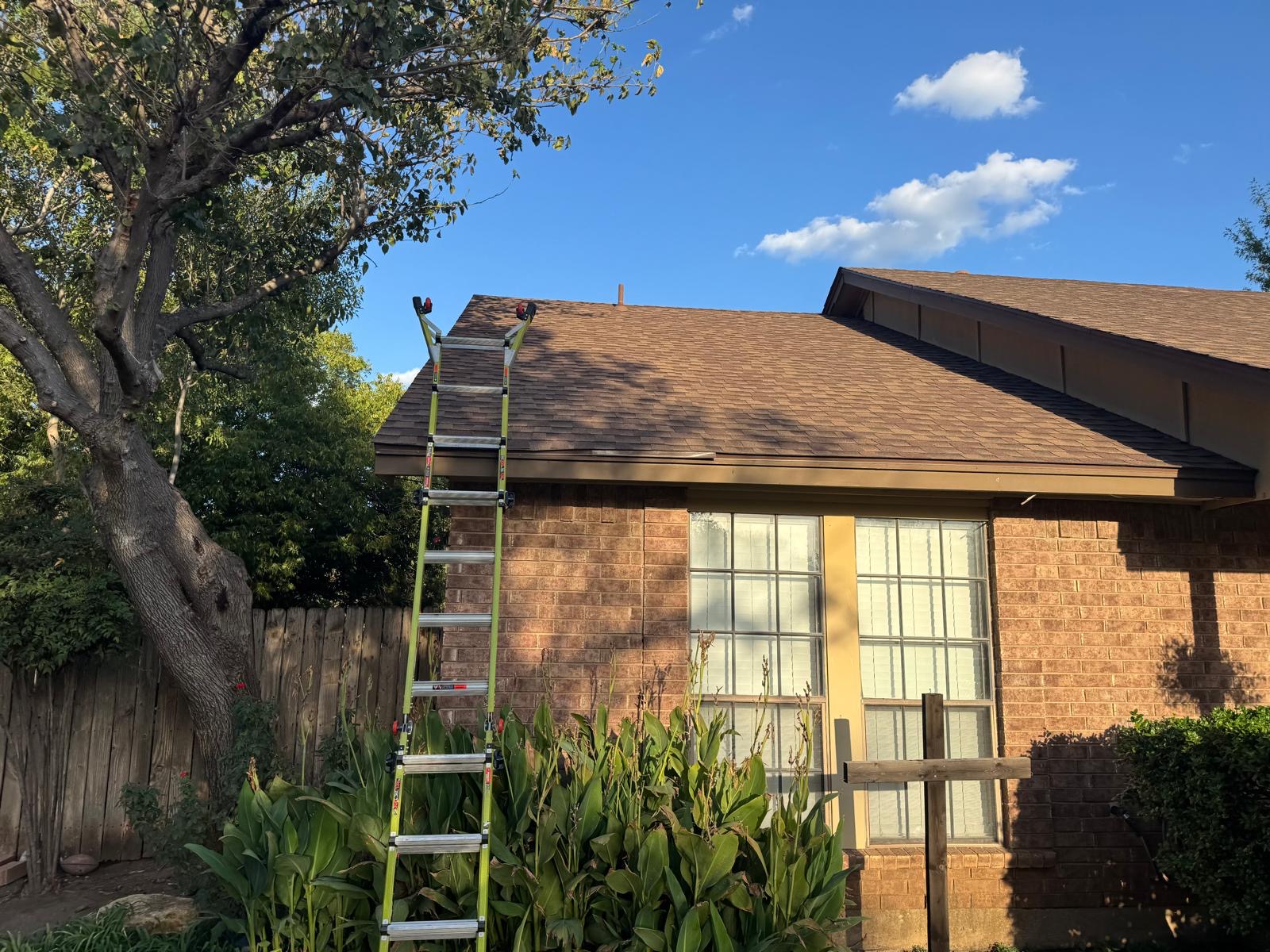
Living in DFW means living with weather that can be both beautiful and brutal. We get scorching summers that can degrade roofing materials, strong winds that can rip shingles apart, and the infamous Texas hail storms that can cause widespread damage in minutes. A superior roof isn't just built; it's engineered to withstand these specific challenges.
Wind Resistance: In our region, wind is a constant concern. A well-installed roof with properly sealed shingles and reinforced edges can withstand significant wind speeds. This is where the quality of the underlayment and the nailing pattern are critical. We ensure that starter shingles are used correctly on all eaves and rakes, and that shingles are properly fastened to resist wind uplift. For homes in particularly windy areas, or those prone to severe storms, considering higher wind-rated shingles or even metal roofing is a wise decision.
Hail Resilience: This is a big one for DFW. Hail can range from small pellets to golf-ball-sized stones, and even larger. Standard asphalt shingles can be easily bruised or fractured by hail, leading to granule loss and eventual leaks. This is why, as mentioned, impact-resistant (IR) shingles are a game-changer for DFW homeowners. Choosing Class 4 rated shingles means your roof has a much better chance of surviving a hail storm without significant damage. It's not just about avoiding immediate repairs; it's about preventing the long-term degradation that hail damage can cause, which often goes unnoticed until it's too late.

After any significant hail or wind event, don't wait for a leak to appear. Get your roof inspected by a qualified professional. Early detection of damage can prevent much larger, more expensive problems down the road. Document any visible damage with photos from the ground if possible.
Heat and UV Resistance: The Texas sun is relentless. High temperatures and prolonged UV exposure can cause shingles to become brittle, crack, and lose their protective granules. Lighter-colored shingles, or those with "cool roof" technology, can reflect more solar radiation, keeping your attic cooler and reducing the stress on the roofing materials. Metal roofs excel in this area, reflecting a significant amount of heat. Choosing materials specifically designed to withstand intense UV exposure and high temperatures is vital for a roof that lasts here.
Be wary of contractors who don't emphasize weather resilience in their proposals. If they're just quoting the cheapest asphalt shingles without discussing impact resistance, wind ratings, or ventilation strategies tailored for DFW's climate, they may not have your home's best long-term interests at heart.
Building a roof that's truly resilient for Texas weather is about making informed choices about materials and installation techniques that specifically address these threats. It's about understanding the unique challenges of our local climate and selecting a roofing system that's up to the task. This proactive approach saves homeowners in Garland and Richardson significant headaches and expenses in the long run.
The Montesco Roofing Difference: Crafting Durability, Ensuring Peace of Mind
In a market like DFW, especially after a significant storm, you'll see a lot of roofing companies pop up overnight. Many are fly-by-night operations that disappear once the checks clear, leaving homeowners with shoddy work and no recourse. At Montesco Roofing, we're different. We've been a trusted part of the DFW community for over 13 years, and our reputation is built on a foundation of honesty, quality craftsmanship, and a genuine commitment to protecting our neighbors' homes.
13+ Years of Local Expertise
We understand the specific weather patterns, building codes, and common issues affecting roofs in Dallas, Fort Worth, and the surrounding North Texas areas. This local knowledge is invaluable when designing and installing a roof that will truly last.
Certified & Experienced Installers
Our team isn't just a crew; they're skilled craftsmen who are trained and certified by leading manufacturers. This ensures that every installation meets the highest standards and qualifies for the full manufacturer's warranty.
Quality Materials, Every Time
We don't cut corners on materials. We use premium underlayments, high-quality flashing, and top-tier shingles and metal roofing options from trusted brands, ensuring durability and longevity for your home.
Transparent Process & Communication
From the initial inspection and detailed estimate to the final walkthrough, we keep you informed every step of the way. No hidden fees, no surprises – just clear, honest communication.
What sets us apart is our dedication to building a roof that's not just functional, but a true investment in your home's future. We don't just replace shingles; we engineer roofing systems. This means considering every detail: the condition of your roof deck, the effectiveness of your ventilation, the proper integration of all components, and the aesthetic appeal that complements your home.
We also pride ourselves on our comprehensive approach to insurance claims. If your roof has been damaged by a storm, navigating the insurance process can be incredibly stressful. Our team is experienced in working with insurance adjusters, documenting damage thoroughly, and advocating on your behalf to ensure you receive a fair settlement for a proper repair or replacement. We've helped hundreds of families in DFW get their homes back to pre-storm condition without the usual hassle.
How to Get This Done
Choosing a roofing contractor is a significant decision. Do your homework: check reviews, ask for references, and verify licensing and insurance. If you're looking for a roofing partner who prioritizes quality, integrity, and your long-term peace of mind, Montesco Roofing is here to help. We offer free, no-obligation inspections and detailed, transparent estimates for homeowners across the DFW metroplex.
Ultimately, the Montesco Roofing difference is about bringing you peace of mind. It's knowing that when you choose us, you're choosing a team that treats your home as if it were their own, a team that's dedicated to building a roof that will protect your family and your investment for years to come. We're not just building roofs; we're building lasting relationships based on trust and exceptional service.
Long-Term Value: How a Better Roof Protects Your Investment
It's easy to get caught up in the immediate cost of a new roof. But when you're thinking about building a better roof, you're really thinking about maximizing the long-term value and protection it offers your home. In the DFW market, where property values are significant and weather can be harsh, a superior roof isn't an expense; it's an investment that pays dividends over time.
Key Insight
A well-built, durable roof contributes significantly to your home's overall resale value. Buyers are increasingly aware of the importance of a quality roof, especially in areas prone to severe weather. A new, high-quality roof can be a major selling point and may even allow you to command a higher price for your home.
Reduced Maintenance Costs: A roof built with quality materials and installed correctly will require far less maintenance over its lifespan. You won't be constantly dealing with minor leaks, missing shingles, or premature wear. This saves you money on repair calls and the stress of unexpected damage. For instance, a metal roof, while having a higher upfront cost, often requires virtually no maintenance for decades, unlike asphalt shingles which may need periodic checks and repairs.
Energy Efficiency Savings: As we discussed, proper ventilation and reflective roofing materials can significantly impact your home's energy consumption. In the sweltering Texas summers, a cooler attic means your air conditioning system doesn't have to work as hard, leading to lower electricity bills. Over the life of the roof, these savings can add up substantially. Some studies suggest that cool roofing materials can reduce cooling costs by up to 20% in hot climates.

Protection Against Costly Damage: This is perhaps the most critical aspect of long-term value. A superior roof acts as a robust shield against the elements. In DFW, this means protecting your home from the devastating effects of hail, high winds, and torrential rain. By preventing water intrusion, you safeguard your home's structure, insulation, drywall, and personal belongings. The cost of repairing extensive water damage, mold remediation, or structural issues caused by a compromised roof can easily run into tens of thousands of dollars – far exceeding the initial investment in a quality roof.
When you're ready for a new roof, ask your contractor about manufacturer warranties. Many high-end shingles and metal roofing systems come with long-term warranties that cover both materials and, when installed by a certified professional, workmanship. This provides an extra layer of financial protection and peace of mind.
Insurance Benefits: As highlighted earlier, investing in features like impact-resistant shingles or metal roofing can often lead to discounts on your homeowner's insurance premiums. This is because these materials are proven to reduce the likelihood and severity of storm-related damage, making your home a lower risk for insurers. Over the years, these discounts can help offset the initial investment in a superior roofing system.
Need help putting this into action? Our team has protected hundreds of DFW homes with superior roofing systems. Tell us about your roof — free inspection, no pressure.
Get Your Free Roof Inspection →Frequently Asked Questions About Building a Better DFW Roof
Frequently Asked Questions About Building a Better DFW Roof
What makes a DFW roof "superior" compared to a standard roof?
Are impact-resistant shingles worth the extra cost in DFW?
How important is attic ventilation for a DFW roof?
Can I save money by choosing a cheaper roofing contractor?
What is the lifespan of different roofing materials in DFW?
How does DFW's weather impact my roof's warranty?
Should I consider metal roofing for my DFW home?
What are the signs I might need a new roof in DFW?
Montesco Roofing Team
DFW's trusted roofing contractor with 13+ years of experience. Specializing in roof replacements, storm damage repair, and insurance claims across Dallas-Fort Worth.
Get in touch →