Texas Roofs: The 7 Best Materials for Durability & Style in 2026 (Shingle Focus)

Why Your Texas Roof Material Choice Matters More Than Ever in 2026
Let's be honest, when you think about your home, your roof probably isn't the first thing that pops into mind. You're focused on the living room paint, the backyard patio, maybe even that new kitchen backsplash you've been dreaming about. But here in Texas, your roof is doing some of the hardest work to protect everything you love. Especially with the weather we've been seeing, choosing the right material isn't just about curb appeal; it's about long-term protection and smart investment.
This year, 2026, we're seeing more homeowners than ever asking about durability, energy efficiency, and how their roof can stand up to our unique Texas climate – think intense sun, sudden downpours, and the occasional hailstorm. A roof isn't just a cover; it's a critical component of your home's structure, insulation, and even its resale value. Getting it right from the start, or knowing when it's time for an upgrade, saves you a world of headaches and money down the road. We've seen firsthand in DFW how a well-chosen and properly installed roof can make all the difference.
The materials we put on our homes have evolved, and understanding your options is key. We're talking about everything from the classic asphalt shingle to the sleek lines of metal and the charming look of tile. Each has its pros and cons, and what works perfectly for a home in Plano might be slightly different from what's best for one in Fort Worth, depending on the specific microclimate and the home's architecture. The goal is to find that sweet spot where performance meets personality, and your roof becomes a reliable shield for decades.
The Reigning Champion: Asphalt Shingles for Texas Homes
When you picture a typical Texas home, you're probably imagining a roof covered in asphalt shingles. And there's a good reason for that – they've been the go-to for decades, and for good reason. They offer a fantastic combination of affordability, wide-ranging aesthetics, and decent durability, especially when you choose the right kind for our Texas heat and storms.
At their core, asphalt shingles are made of a fiberglass or organic mat coated with asphalt and topped with mineral granules. These granules are not just for show; they protect the asphalt from UV rays, which is absolutely critical here in North Texas where the sun beats down relentlessly. They also give the shingles their color and texture. The quality and type of asphalt, the thickness of the mat, and the type of granules all contribute to the shingle's overall performance and lifespan.
Don't just look at the color; check the wind resistance rating and the warranty. For Texas, aim for shingles rated for at least 110 mph, and ideally higher if you're in a particularly storm-prone area of DFW.
There are two main types of asphalt shingles you'll encounter:
3-Tab Shingles
These are the most basic and budget-friendly option. They have a simple, flat appearance with three distinct cutouts, resembling tabs. While they get the job done, they're generally less durable and have lower wind resistance compared to architectural shingles. For Texas's intense weather, they might not be the best long-term investment.
Architectural Shingles (Dimensional Shingles)
This is where we see a significant step up in performance and aesthetics. Architectural shingles are made with a heavier mat and a more complex layering process, giving them a thicker, dimensional look that mimics natural materials like wood shakes or slate. They offer superior wind resistance, a longer lifespan (often 30-50 years), and better impact resistance, making them a much smarter choice for Texas homeowners. Brands like GAF's Timberline HDZ or Owens Corning's Duration are popular for a reason – they're built to last.
For homes in Dallas, Fort Worth, and the surrounding suburbs like Frisco or McKinney, investing in architectural shingles is almost always the way to go. They provide a much better defense against the elements we face year-round. The extra cost upfront is a small price to pay for the extended life and reduced risk of premature damage.
Beyond Basic Asphalt: Exploring Premium Shingle Options
While standard architectural shingles are a solid choice, the roofing industry hasn't stood still. For homeowners in 2026 who want that extra peace of mind, enhanced energy efficiency, or a truly unique look, there are premium shingle options that go above and beyond. These aren't your grandpa's shingles, and they offer tangible benefits for Texas properties.
One of the biggest advancements is in impact-resistant shingles, often referred to as Class 4 shingles. These are specifically engineered to withstand high-impact forces, like those from large hailstones. In areas like North Texas, where hailstorms can cause significant damage, these shingles can be a game-changer. They often carry a higher warranty against impact and can help reduce your insurance premiums. Manufacturers like Atlas (Pinnacle® Pristine) and CertainTeed (Presidential® Shake) offer lines that meet these stringent impact standards.
Not all 'impact-resistant' shingles are created equal. Always verify the UL 2218 Class rating. Class 4 is the highest and most desirable for storm-prone regions like DFW.
Then there are shingles designed with solar reflectivity in mind. Texas summers are brutal, and a dark roof can absorb a tremendous amount of heat, driving up your air conditioning costs. Cool-roof shingles, often available in lighter colors or with special granule coatings, reflect more sunlight and absorb less heat. This can lead to noticeable savings on your energy bills. Certain manufacturers, including GAF and Owens Corning, offer specific lines that are ENERGY STAR® certified for cool roofing. This is a smart move for any homeowner in Garland or Mesquite looking to improve their home's energy efficiency.
For those who want to mimic the look of natural materials but prefer the performance of asphalt, there are also luxury or designer shingles. These are premium architectural shingles that offer deeper shadow lines, unique color blends, and more complex profiles to replicate the look of slate or wood shakes with incredible realism. While they come at a higher price point, they can significantly enhance a home's curb appeal and are a fantastic option for homeowners looking for a high-end aesthetic without the maintenance headaches of natural materials. Think of them as the "statement piece" of roofing.
Finally, advancements in algae-resistant technology are also becoming more common. Algae can cause unsightly black streaks on shingles, particularly in humid climates. Shingles incorporating copper or zinc granules help prevent the growth of algae, keeping your roof looking cleaner for longer. While less of a structural concern, it's certainly a factor in maintaining your home's appearance, and something we often address for homeowners in the Dallas area.
Key Insight
When considering premium shingles, always discuss the specific climate challenges of your DFW neighborhood with your roofing contractor. A shingle that performs exceptionally well in Dallas might have slightly different benefits or considerations for a home further out in Rockwall.
The Shingle Installation Process: What to Expect from Montesco Roofing
Let me tell you, a great shingle is only as good as the hands that install it. This is where the rubber meets the road, and where a lot of "roofing companies" cut corners. At Montesco Roofing, we've been doing this for over 13 years right here in DFW, and we know that proper installation is non-negotiable. It’s not just about nailing shingles down; it’s a systematic process designed to ensure your roof performs exactly as it should for its entire lifespan.
Here’s a simplified look at what goes into a professional shingle installation, the Montesco way:
Step 1: Tear-Off and Inspection
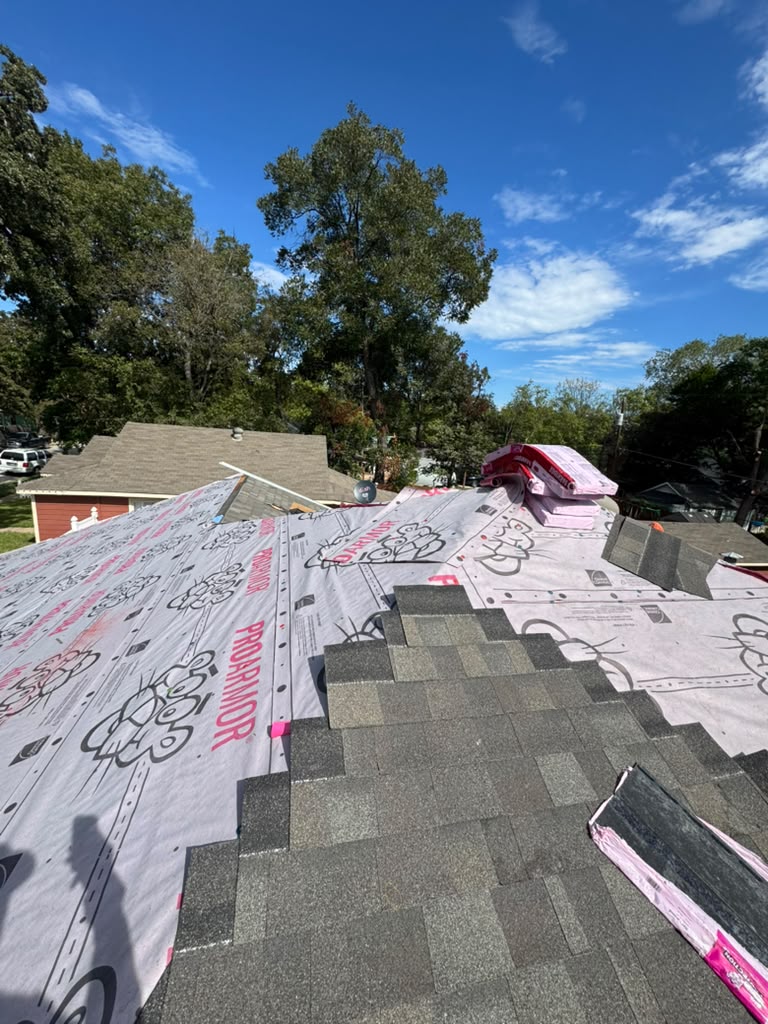
We start by completely removing your old roofing material down to the deck. This is crucial because installing new shingles over old ones is a recipe for disaster – it traps moisture and prevents proper ventilation. Once the deck is exposed, we meticulously inspect it for any rot, damage, or soft spots. Any compromised wood is replaced. This is also the perfect time to check the condition of your existing roof decking, which is the foundation of your entire roof system.
Step 2: Underlayment and Drip Edge
Next comes the underlayment, typically a synthetic material or felt paper, which acts as a secondary water barrier. We then install drip edge, a metal flashing that directs water away from the fascia and into your gutters, preventing rot. This layer is often overlooked by less reputable contractors, but it's vital for protecting your home's structure.
Step 3: Starter Shingles
Along the eaves and rake edges, we install starter shingles. These are specialized shingles that provide a clean edge, seal down the first course of shingles, and are critical for wind resistance. They create a solid bond that prevents wind from getting underneath and lifting your main shingles.
Step 4: Shingle Installation
Now for the main event. We lay the shingles in precise courses, ensuring proper overlap and alignment. The number of nails per shingle, their placement, and the type of nail used are all dictated by the manufacturer's specifications and local building codes. We pay close attention to nailing patterns, as this is a common area where shortcuts are taken, leading to premature shingle failure.
Step 5: Flashing and Ventilation
Critical areas like valleys, chimneys, skylights, and vent pipes require specialized flashing to prevent leaks. We meticulously install and seal these components. Equally important is proper roof ventilation. A balanced system of intake (soffit vents) and exhaust (ridge vents) allows hot, moist air to escape, preventing attic heat buildup and moisture issues that can degrade your roof and home structure over time. This is often a major point of failure in many installations.
Step 6: Cleanup and Final Inspection
Once the new roof is on, we don't just pack up and leave. We conduct a thorough cleanup of the entire work area, including using magnetic sweepers to pick up any stray nails. We then perform a final, detailed inspection of the roof and surrounding property to ensure everything is perfect before we consider the job complete.
How to Get This Done
If you want to handle this yourself, here's exactly what you need: [tools/steps]. If you'd rather have experienced roofers handle it, our team has done this on hundreds of DFW homes — here's how our process works: We start with a detailed, no-obligation inspection and provide a transparent quote. Our certified installers use manufacturer-approved techniques and materials, ensuring your roof is protected by the best warranty possible. We handle all permits and communication, making the process seamless for you.
Choosing a contractor who understands these steps, and the nuances of installing them in the Texas climate, is as important as choosing the right shingle. We've seen too many homes in Arlington and Plano suffering from issues caused by improper installation – leaks, premature wear, and even blown-off shingles after a strong gust of wind. That's why we stand behind our work with a strong workmanship warranty.
Comparing Texas Roofing Materials: Shingles vs. Metal vs. Tile
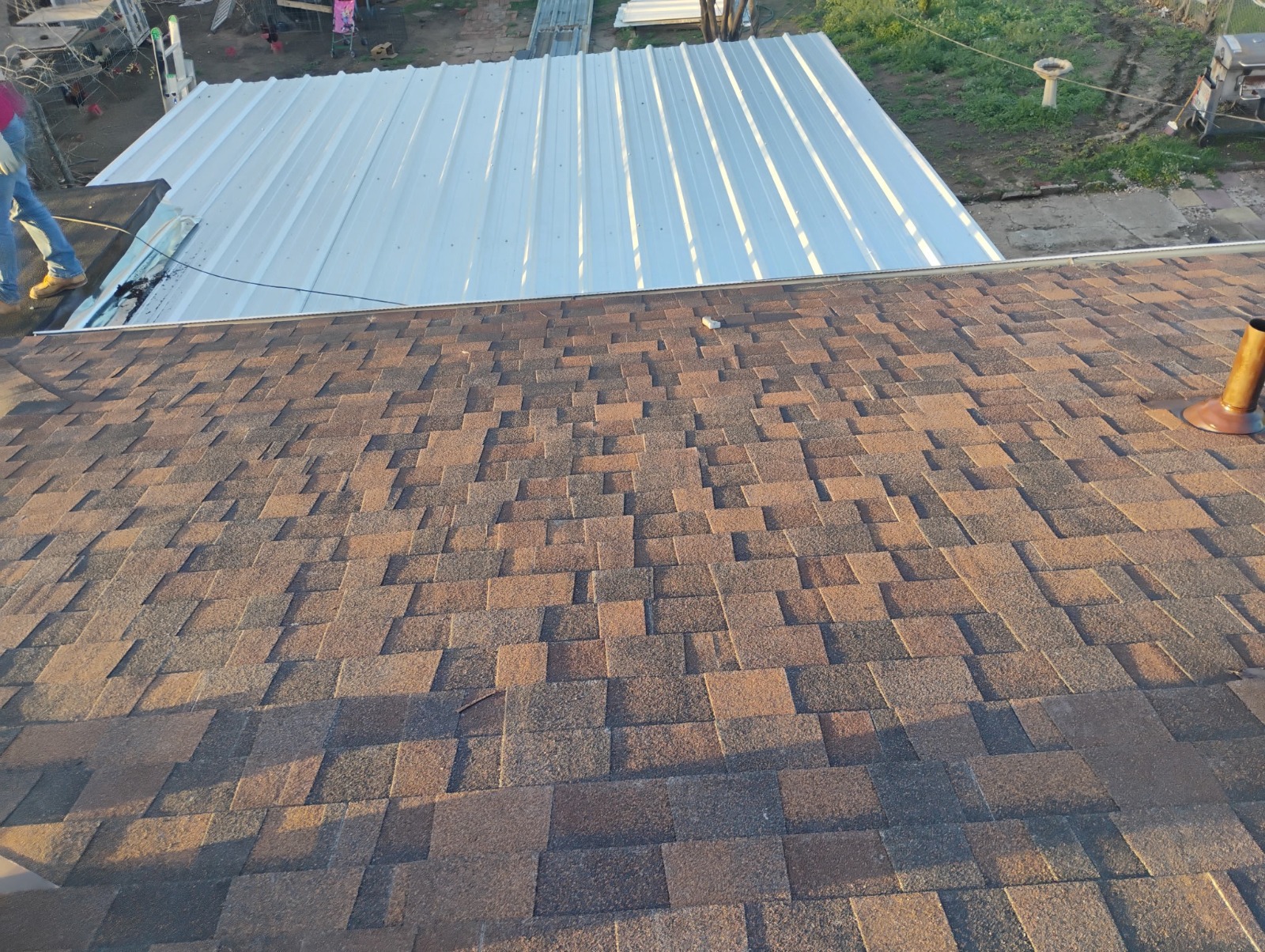
While shingles are king, it's always wise to consider the alternatives. Here's a quick comparison of the most popular roofing materials you'll find on Texas homes in 2026, highlighting their strengths and weaknesses, especially as they relate to our local conditions.
| Feature | Asphalt Shingles (Architectural) | Metal Roofing | Clay/Concrete Tile | Composite/Synthetic Shingles |
|---|---|---|---|---|
| Initial Cost | $ (Most Affordable Premium Option) | $$ - $$ (Higher, but long-term value) | $$ (High initial investment) | $$ - $$ (Varies widely by type) |
| Lifespan (Typical) | 20-30+ years | 50+ years | 50+ years | 30-50+ years |
| Durability (Impact Resistance) | Good (Class 4 available) | Excellent (Can dent from extreme hail) | Excellent (Can crack from extreme impact) | Excellent (Designed for impact) |
| Wind Resistance | Good (up to 130 mph with proper installation) | Excellent (can withstand very high winds) | Good (but needs secure installation) | Excellent |
| Energy Efficiency | Moderate (Cool roof options available) | Excellent (Reflects heat well, especially lighter colors) | Good (Traps air, provides insulation) | Good (Varies by material) |
| Aesthetics | Wide variety of colors and styles | Sleek, modern, or traditional (e.g., standing seam, shakes) | Classic, Mediterranean, Southwestern styles | Mimics slate, wood shakes, tile |
| Maintenance | Low (periodic checks) | Very Low | Low (periodic checks, potential tile replacement) | Low |
| Weight | Moderate | Lightweight | Very Heavy (May require structural reinforcement) | Moderate to Heavy |
| Insurance Claim Assistance | Standard | Standard | Standard | Standard |
| Local DFW Suitability | Excellent (especially architectural) | Excellent (especially standing seam) | Good (but heavy, needs proper installation for wind) | Excellent |
As you can see, while metal and tile offer impressive longevity, they come with a higher upfront cost and, in the case of tile, potential structural considerations. For most DFW homeowners in 2026, the sweet spot remains with architectural asphalt shingles. They offer a fantastic balance of cost, performance, and aesthetic appeal, with premium options like impact-resistant and cool-roof shingles providing even more value for our specific climate challenges.
Key Insight
The "best" material isn't universal. For a historic home in Dallas, tile might be the only option that fits the architectural style. For a modern build in Fort Worth, standing seam metal could be perfect. But for the vast majority of Texas homes, architectural shingles provide the most practical and cost-effective solution.
The Cost of Quality: Investing in Your Texas Roof in 2026
Let's talk money. Nobody likes discussing roofing costs, but understanding it as an investment rather than just an expense is crucial. In 2026, the price of materials and labor has continued to be a factor, but the value you get from a quality roof is undeniable. For a standard-sized home (around 2,000-2,500 sq ft) here in the DFW area, you can expect a range:
It's important to remember that these are general ranges. Factors like the complexity of your roofline, the pitch, the number of valleys or dormers, the type of underlayment chosen, and the specific brand and quality of the shingles themselves will all influence the final price. A premium architectural shingle with advanced features like impact resistance or algae resistance will naturally cost more than a basic architectural model.
If you get a quote that seems significantly lower than others in the DFW area, especially for a full replacement, be very cautious. It often means corners are being cut, either with materials, labor, or by skipping crucial steps like replacing damaged decking or installing proper ventilation. A cheap roof now can cost you exponentially more in repairs and premature replacement down the line.
When you work with a reputable roofing contractor in DFW like Montesco Roofing, you're not just paying for materials; you're paying for expertise, proper licensing and insurance, skilled labor, and a warranty that actually means something. We offer free, detailed inspections and estimates, and we'll walk you through every aspect of the quote, explaining exactly what you're getting for your investment. We also have experience navigating the complexities of insurance claims, which can be a significant factor if storm damage is involved.
Think of your roof as an investment in your home's overall value and protection. A new, high-quality roof can significantly increase your home's marketability and command a higher selling price. In a competitive market like the one we see in North Texas, a beautiful, durable roof is a major selling point.
Protecting Your Investment: Maintenance for Texas Roofs
You've made a significant investment in your roof, whether it's a brand-new architectural shingle installation or a durable metal roof. Now, how do you ensure it lasts as long as it's supposed to? Regular maintenance is key, especially here in Texas where our weather can be so harsh. It's not about constant work; it's about smart, proactive care.
Here's what we recommend for homeowners in DFW:
Regular Visual Inspections
At least twice a year (spring and fall are ideal), and after any major storm event, take a walk around your property. Look up! From the ground, you should be able to spot obvious issues like missing, cracked, or curling shingles. Check your gutters for an excessive amount of granules, which indicates your shingles are wearing out prematurely. Also, look for any sagging areas on the roofline.
Attic Checks
Periodically, head up into your attic. On a sunny day, look for any daylight peeking through the roof deck. This is a clear sign of a leak. Also, check for any signs of moisture, mold, or mildew, which can indicate ventilation issues or water intrusion.

Gutter Cleaning
Clogged gutters are a roof's enemy. When gutters overflow, water can back up under your shingles or seep into your fascia and soffits, leading to rot and other structural damage. Make sure your gutters are clear of leaves, debris, and shingle granules.
Tree Trimming
Overhanging tree branches can cause a lot of damage. They can rub shingles, causing wear, and falling branches can puncture your roof. Keep branches trimmed back at least a few feet from your roofline.
Professional Inspections
We recommend a professional roof inspection by a qualified contractor like Montesco Roofing at least once every 2-3 years, or immediately after a significant weather event. We can spot issues that the average homeowner might miss and provide recommendations for minor repairs before they become major problems.
Don't try to walk on your roof unless you have the proper safety equipment and experience. It's far safer to have a professional inspect it. They can also check critical areas like flashing and ventilation that are hard to see from the ground.
Proactive maintenance can extend the life of your roof by years, saving you money and protecting your home. It's much more cost-effective to address a few loose shingles or a minor flashing issue than to deal with a major leak or a full roof replacement due to neglect.
Frequently Asked Questions About Texas Roofing Materials & Shingles
Frequently Asked Questions About Texas Roofing Materials & Shingles
What's the best roofing material for extreme Texas heat?
How long do asphalt shingles typically last in Texas?
Are metal roofs worth the investment in DFW?
What is the most common cause of premature roof failure in Texas?
Should I get impact-resistant shingles if I live in a hail-prone area of North Texas?
What's the difference between 3-tab and architectural shingles?
How important is roof ventilation in Texas?
Need help putting this into action? Our team has protected hundreds of DFW homes. Tell us about your roof — free inspection, no pressure.
Get Your Free Roof Inspection →Montesco Roofing Team
DFW's trusted roofing contractor with 13+ years of experience. Specializing in roof replacements, storm damage repair, and insurance claims across Dallas-Fort Worth.
Get in touch →