Best Quality Shingles Roofing: The 2026 DFW Durability & Performance Guide
IG
Montesco Roofing Team
May 26, 202627 min read
The Best Quality Shingles Roofing: A 2026 DFW Durability & Performance Guide
You're standing in your kitchen, coffee in hand, and you're thinking about your roof. Not just any roof, but the best quality roof you can get for your DFW home. You've heard the horror stories about shingles that curl, crack, or blow off in the next Texas storm. You want something that's built to last, something that looks great, and most importantly, something that truly protects your family and your investment for years to come. That's not too much to ask, right?
Quick Answer: The best quality shingles for your DFW home in 2026 are typically high-grade architectural asphalt shingles from reputable manufacturers like GAF, Owens Corning, or CertainTeed. Look for superior wind resistance, impact ratings, advanced granule technology for UV protection and algae resistance, and robust manufacturer and workmanship warranties. Proper installation by a certified DFW roofing contractor is equally critical for ensuring maximum lifespan and performance.
Here in North Texas, we see it all – scorching sun, sudden torrential downpours, and the ever-present threat of hail. Choosing the right shingles isn't just about curb appeal; it's about resilience. It's about peace of mind. You're not just buying shingles; you're investing in the shield that protects everything you hold dear.
Understanding Shingle Construction: The Foundation of Quality
When we talk about quality shingles, we're really talking about the engineering and materials that go into them. It's not just a layer of asphalt slapped onto some felt. A truly high-quality shingle is a sophisticated composite designed to withstand the elements.
At its core, a modern asphalt shingle is built on a strong foundation. This usually starts with a fiberglass mat. This mat acts as the backbone, providing structural integrity and preventing the shingle from cracking or tearing easily. Think of it as the rebar in concrete – essential for strength.
Layered over this fiberglass mat is a coating of mineral-filled asphalt. This asphalt is the primary waterproofing agent. The quality of the asphalt, its composition, and how it's applied directly impact the shingle's flexibility and its ability to shed water effectively. Cheaper shingles might use a less refined asphalt, leading to brittleness in cold weather or softening and deformation in our intense Texas heat.
The final, and arguably most visible, layer is the mineral granules. These tiny ceramic-coated rocks are fused into the asphalt. They serve several critical functions:
UV Protection: They block the sun's harmful ultraviolet rays, preventing the asphalt from degrading and becoming brittle over time. This is huge for DFW homeowners where sun exposure is relentless.
Color and Aesthetics: They provide the color and texture that define your roof's look.
Fire Resistance: Many granules are treated to improve fire resistance.
Algae Resistance: Newer technologies embed copper or other minerals to prevent the black streaks caused by algae, which can be a common issue in humid climates.
The way these granules are applied and bonded to the asphalt is a key indicator of quality. A poor bond means granules will shed prematurely, exposing the asphalt and reducing the shingle's lifespan.
90%of a shingle's lifespan can be attributed to the quality of its materials and installation.
Source: National Roofing Contractors Association (NRCA), 2023
It's the synergy of these layers – the robust fiberglass mat, the high-quality asphalt, and the durable, well-bonded granules – that creates a shingle capable of standing up to the demanding Texas climate. When you're looking at high-quality shingles, you're looking at this intricate construction.
Architectural vs. 3-Tab Shingles: The Quality Divide in DFW
One of the most fundamental distinctions in asphalt shingles is between 3-tab shingles and architectural shingles (also known as dimensional shingles). Understanding this difference is crucial when evaluating quality.
3-Tab Shingles: These are the older, more traditional style. They are manufactured with a single layer of asphalt and have a uniform, flat appearance with three distinct tabs cut into each shingle strip.
Pros: They are generally the most budget-friendly option upfront.
Cons: Their single-layer construction makes them less durable, more susceptible to wind uplift, and they typically have a shorter lifespan (around 15-20 years). They also offer less aesthetic depth.
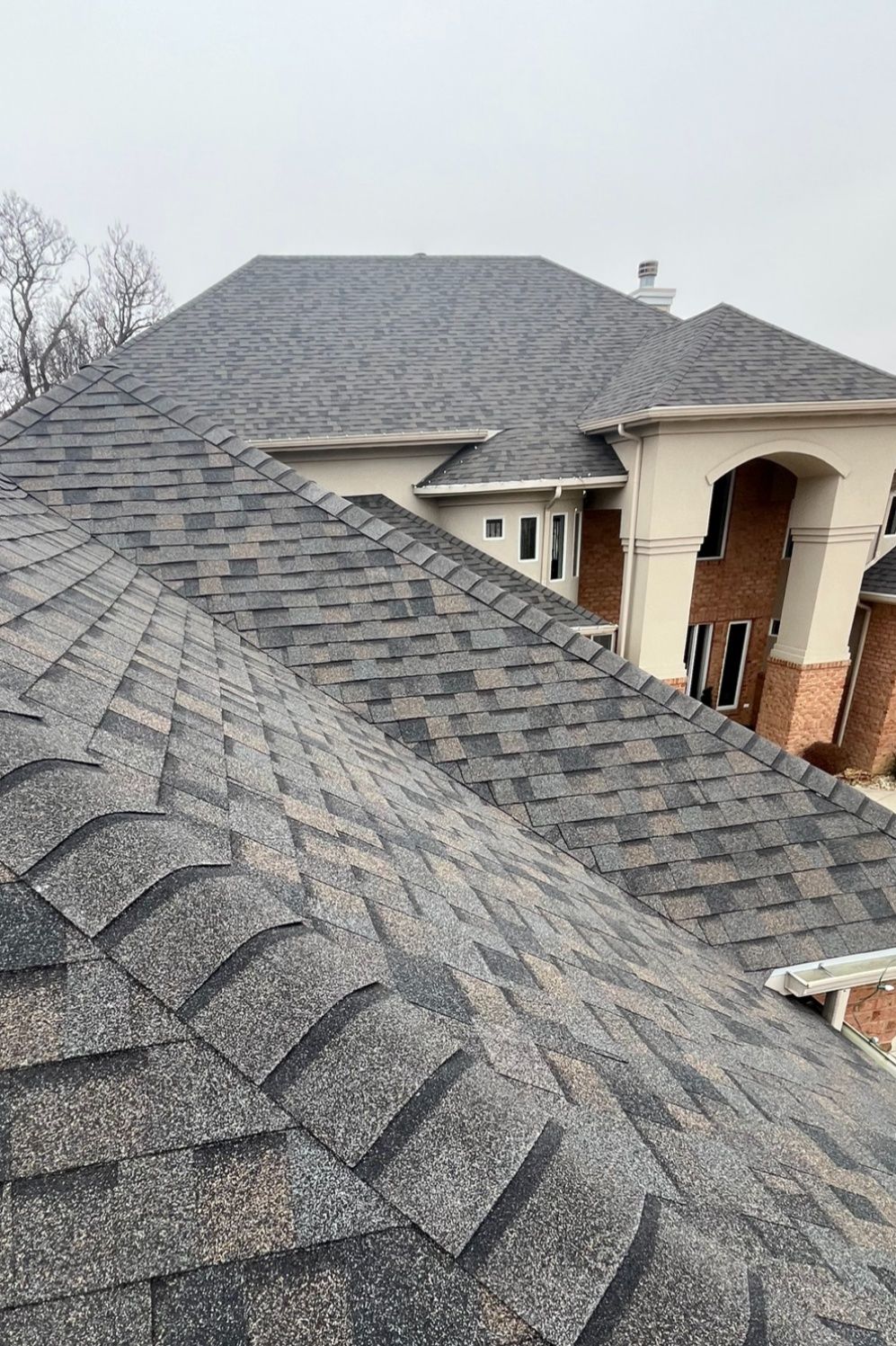
Architectural Shingles: These are the modern workhorses and what we consider best quality shingles for most DFW homes. They are constructed with multiple layers of asphalt bonded together, giving them a thicker, more dimensional appearance. This layered construction provides significant advantages:
Enhanced Durability: The multiple layers add weight and strength, making them far more resistant to wind, hail, and general wear and tear.
Superior Wind Resistance: They are designed with wider nailing strips and a more robust structure, allowing them to withstand higher wind speeds. This is critical for North Texas, where sudden strong winds can occur.
Longer Lifespan: Architectural shingles typically last 25-30 years, sometimes even longer with proper maintenance and in less extreme climates.
Aesthetic Appeal: Their layered design creates a more natural, wood-shake look, adding significant curb appeal to your home.
⚠️
Watch Out
While 3-tab shingles might seem like a cost-saving measure for a quick fix or a very low-budget project, they are rarely the best choice for a primary home roof in DFW. The upfront savings are quickly negated by a shorter lifespan and increased vulnerability to our local weather conditions, leading to more frequent repairs and earlier replacement costs.
For homeowners in DFW looking for high-end shingles that offer true long-term value and protection, architectural shingles are the clear choice. They represent a significant upgrade in quality and performance over their 3-tab counterparts.
3-Tab Shingles
$
Lifespan: 15-20 years
Wind Resistance: Lower (typically up to 60 mph)
Durability: Single layer, less resistant to impact and weathering
Aesthetics: Flat, uniform appearance
Cost: Lower upfront
Architectural Shingles
$
Lifespan: 25-30+ years
Wind Resistance: Higher (often up to 110-130 mph)
Durability: Multi-layered, superior impact and weather resistance
Aesthetics: Dimensional, natural look
Cost: Higher upfront, better long-term value
Key Performance Features for Superior Shingle Quality
Beyond the basic construction and type, several specific features differentiate truly high-quality shingles. These are the details that matter when your roof is facing a severe Texas thunderstorm or a relentless summer sun.
Wind Resistance Ratings: This is paramount for DFW. Texas weather can be unpredictable, with strong winds and even tornadoes being a concern. Shingles are rated for the maximum wind speed they can withstand.
Standard shingles might be rated for 60 mph.
Higher-quality architectural shingles often boast ratings of 110 mph, 120 mph, or even higher, especially when installed with specific nailing patterns and adhesive strips.
Look for shingles that meet or exceed ASTM D7158 Class H, which is the highest rating for wind resistance. This is crucial for preventing shingles from lifting or blowing off during high winds.
Impact Resistance Ratings: Hail is a significant threat in North Texas. Shingles are tested for their ability to withstand impact from hailstones.
Class 1 is the lowest resistance.
Class 4 is the highest, indicating the shingle can withstand impacts from 1.75-inch diameter hailstones without cracking or breaking.
Many insurance companies offer discounts for roofs with Class 4 impact-resistant shingles. This is a clear indicator of superior quality and durability against one of our most common weather threats.
Granule Technology and Adhesion: As we touched on, the granules are vital. The quality of the granules themselves, how they're coated for UV protection, and how well they adhere to the asphalt are all critical.
Copper-Infused Granules: Many top-tier shingles now incorporate copper granules to inhibit the growth of algae and the unsightly black streaks that can plague roofs in humid environments. This is often marketed as algae-resistant or StreakFighter technology.
Advanced Bonding: Manufacturers use enhanced adhesive strips and specific asphalt formulations to ensure the shingles bond securely to each other. This creates a monolithic surface that resists wind uplift and water penetration.
Nailing Strip Technology: The way shingles are designed to be fastened is also a hallmark of quality.
SureNail® Technology (Owens Corning) or LayerLock® Shingles (GAF): These are examples of proprietary technologies that feature a wider, reinforced nailing strip. This strip is made of a stronger material and is designed to provide exceptional holding power for the nails, significantly increasing wind resistance. It also provides a larger surface area for proper nail placement, reducing the risk of installation errors.
💡
Pro Tip
When comparing shingles, don't just look at the brand name. Dig into the specifications. Ask your roofing contractor about the specific wind rating, impact resistance class, and any special granule or nailing strip technologies. These details are what truly separate a good shingle from a best quality shingle.
These performance features are not just marketing terms; they are engineering solutions designed to make your roof last longer and perform better, especially under the stress of DFW's climate.
Top-Tier Shingle Brands for DFW Homes: A Deep Dive
While there are many roofing manufacturers, a few consistently stand out for producing highest quality shingles that perform exceptionally well in demanding climates like ours. At Montesco Roofing, we've worked with many, and these are the brands that consistently deliver reliability and durability for our DFW clients.
GAF: GAF is one of the largest roofing manufacturers in North America, and for good reason. They offer a wide range of high-quality products, with their Grand Sequoia® AR Shingles and Timberline® HDZ™ Shingles being particularly popular for their durability and aesthetic appeal.
Key Features: GAF's LayerLock® Technology ensures exceptional nail holding power, crucial for wind resistance. Their shingles often feature advanced algae resistance.
Warranties: GAF offers robust limited lifetime warranties on their premium shingles, including coverage for wind, staining, and algae.
Owens Corning: Known for their distinctive pink panther branding, Owens Corning is another industry leader that prioritizes quality and innovation. Their Duration® Series Shingles are a standout choice.
Key Features: The patented SureNail® Technology provides a wide, reinforced nailing strip for superior wind uplift resistance. Many Duration shingles also feature StreakGuard™ Algae Resistance.
Warranties: They offer limited lifetime warranties, with specific coverage for wind, impact, and algae.
CertainTeed: CertainTeed offers a diverse portfolio of high-end shingles, with their Landmark® PRO and Presidential® TL lines being excellent examples of premium quality.
Key Features: CertainTeed's shingles are known for their robust construction, excellent color blending, and superior protection against the elements. They often feature advanced granule technology for durability and weather resistance.
Warranties: They provide strong limited lifetime warranties, often with extended coverage options for wind and impact resistance.
Key Insight
When considering these top brands, remember that even the best shingle is only as good as its installation. Choosing a certified roofing contractor in DFW who is experienced with these specific product lines is as important as the shingle itself. Certification often means the contractor has met rigorous standards and is trained by the manufacturer, which can also impact warranty validity.
While these three are consistently at the top, other manufacturers like Atlas also produce excellent, high-quality options. The key is to look for the performance features we've discussed and ensure the manufacturer has a strong reputation for quality and customer support.
Material Innovations: Beyond Standard Asphalt Shingles
While asphalt shingles dominate the residential roofing market, advancements in materials are continually pushing the boundaries of durability and performance. For homeowners seeking the absolute best quality shingles, exploring these innovations can offer significant advantages.
Modified Asphalt Shingles: These shingles incorporate polymers into the asphalt blend.
SBS (Styrene-Butadiene-Styrene): This is a type of synthetic rubber that, when added to asphalt, makes the shingles more flexible and elastic. This improved flexibility helps them resist cracking in cold weather and expand and contract with temperature changes without damage – a major benefit in DFW's wide temperature swings.
APP (Atactic Polypropylene): Another polymer modifier that enhances UV resistance and durability.
Modified asphalt shingles often come with enhanced warranties and are particularly well-suited for extreme climates.
Composite Shingles: These are a more advanced category that can mimic the look of natural materials like wood shakes or slate but are made from a blend of plastics, rubber, and other synthetic materials.
Durability: They are incredibly durable, often outperforming asphalt shingles in terms of impact resistance and longevity.
Lightweight: Many composite shingles are lighter than traditional slate or tile, meaning they may not require structural reinforcement of the roof deck.
Aesthetics: They offer a high-end look with a wide range of design options.
While typically more expensive upfront than even the best asphalt shingles, their extended lifespan and superior performance can make them a cost-effective choice over decades.
Metal Roofing Systems: While not technically "shingles," it's worth noting that metal roofing has become increasingly popular for its exceptional durability and longevity. Standing seam metal roofs, for example, can last 50 years or more and are highly resistant to wind, hail, and fire. They are a significant investment but offer unparalleled long-term performance.
50+years is the typical lifespan of a well-maintained standing seam metal roof.
Source: Metal Construction Association, 2022
For homeowners prioritizing the absolute highest quality and longest lifespan, exploring these alternative materials might be worthwhile. However, for a balance of cost, performance, and aesthetics, the top-tier architectural asphalt shingles from reputable brands remain an excellent choice for most DFW homes.
The Crucial Role of Shingle Warranties in DFW
When you're investing in best quality shingles, the warranty behind them is just as important as the shingles themselves. A strong warranty is a manufacturer's promise of quality and a crucial piece of protection for you, the homeowner, especially here in Texas where weather can be severe.
Here's what to look for in a shingle warranty:
Limited Lifetime Warranty: This is the standard for most premium architectural shingles. It means the manufacturer covers defects in the shingles for as long as you own your home. However, "limited" is a key word here. It doesn't cover everything.
Wind Coverage: This specifies the maximum wind speed the shingles are warranted against. For DFW, you want to see coverage for at least 110 mph, ideally higher. Some premium lines offer even greater wind coverage.
Impact Resistance Warranty: If you're opting for Class 4 impact-resistant shingles, ensure this is explicitly covered in the warranty. It protects against damage from hail.
Staining and Algae Resistance Warranty: Given our climate, a warranty against algae growth and the resulting staining is a significant benefit. Look for terms like "StreakGuard" or similar proprietary names.
Workmanship Warranty: This is arguably the most critical warranty, and it's NOT from the shingle manufacturer. It's from your roofing contractor. A reputable DFW roofing company like Montesco Roofing will offer a workmanship warranty that covers issues arising from installation errors. This could be for 10 years, 20 years, or even a lifetime, depending on the contractor.
⚠️
Watch Out
Many "storm chasers" or fly-by-night roofing companies offer extended warranties, but these are often worthless. They disappear after the job is done, leaving you with no recourse. A long-standing local contractor with a solid reputation and a written, transferable workmanship warranty is invaluable.
Transferability: If you plan to sell your home in the future, a transferable warranty can be a significant selling point. It means the warranty can be passed on to the new homeowner, usually for a small fee.
Pro-Rata vs. Full Replacement Cost: Understand how the warranty works over time.
Pro-Rata: The manufacturer's payout decreases over time. After a certain period, you might only receive a percentage of the replacement cost.
Full Replacement Cost: The manufacturer covers the cost of both the shingles and the labor to replace them. This is the most comprehensive coverage.
▸
How to Get This Done
When you're getting quotes for a new roof, always ask for a detailed breakdown of the manufacturer's warranty and the contractor's workmanship warranty. A good contractor will be transparent about these details. If you want to ensure your roof is protected by the best materials and the best installation practices, our team at Montesco Roofing provides comprehensive inspections and explains all warranty options clearly, ensuring you get the right protection for your DFW home.
A robust warranty package, combining a strong manufacturer's product warranty with a solid contractor's workmanship warranty, is the ultimate safeguard for your investment in quality shingles.
Installation Best Practices: Maximizing Shingle Lifespan in Texas
You can buy the most expensive, highest quality shingles on the market, but if they aren't installed correctly, their lifespan and performance will be severely compromised. In DFW, where weather extremes are common, proper installation isn't just recommended; it's essential.
Here are the key installation best practices that differentiate a quality job from a substandard one:
Proper Underlayment: This is the layer between your roof deck and your shingles.
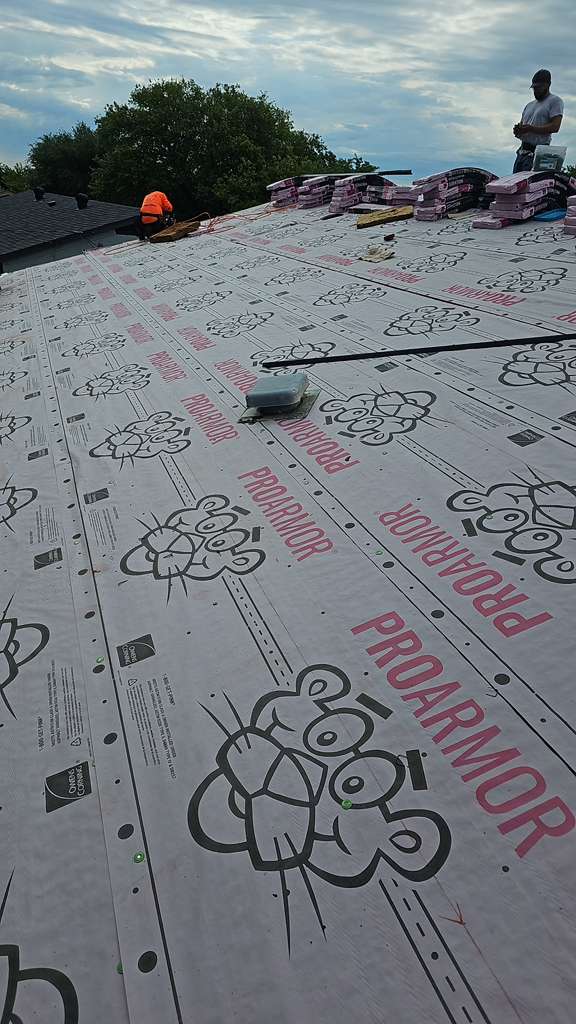
Synthetic Underlayment: For premium roofs, we strongly recommend synthetic underlayment over traditional felt paper. Synthetics are lighter, more tear-resistant, and provide a better moisture barrier, especially in humid Texas conditions.
Ice and Water Shield: In critical areas like valleys, eaves, and around penetrations (vents, chimneys), installing a self-adhering ice and water shield is vital. While we don't get much ice, this product is an excellent barrier against wind-driven rain, which is a major concern in DFW storms.
Correct Nailing Technique: This is where many corners are cut.
Nail Placement: Nails must be driven straight and hit the designated nailing strip on architectural shingles. Over-driven nails lose holding power, and under-driven nails can snag or create an entry point for water.
Nail Size and Type: Use the correct size and type of roofing nails specified by the manufacturer. Galvanized nails are typically required for corrosion resistance.
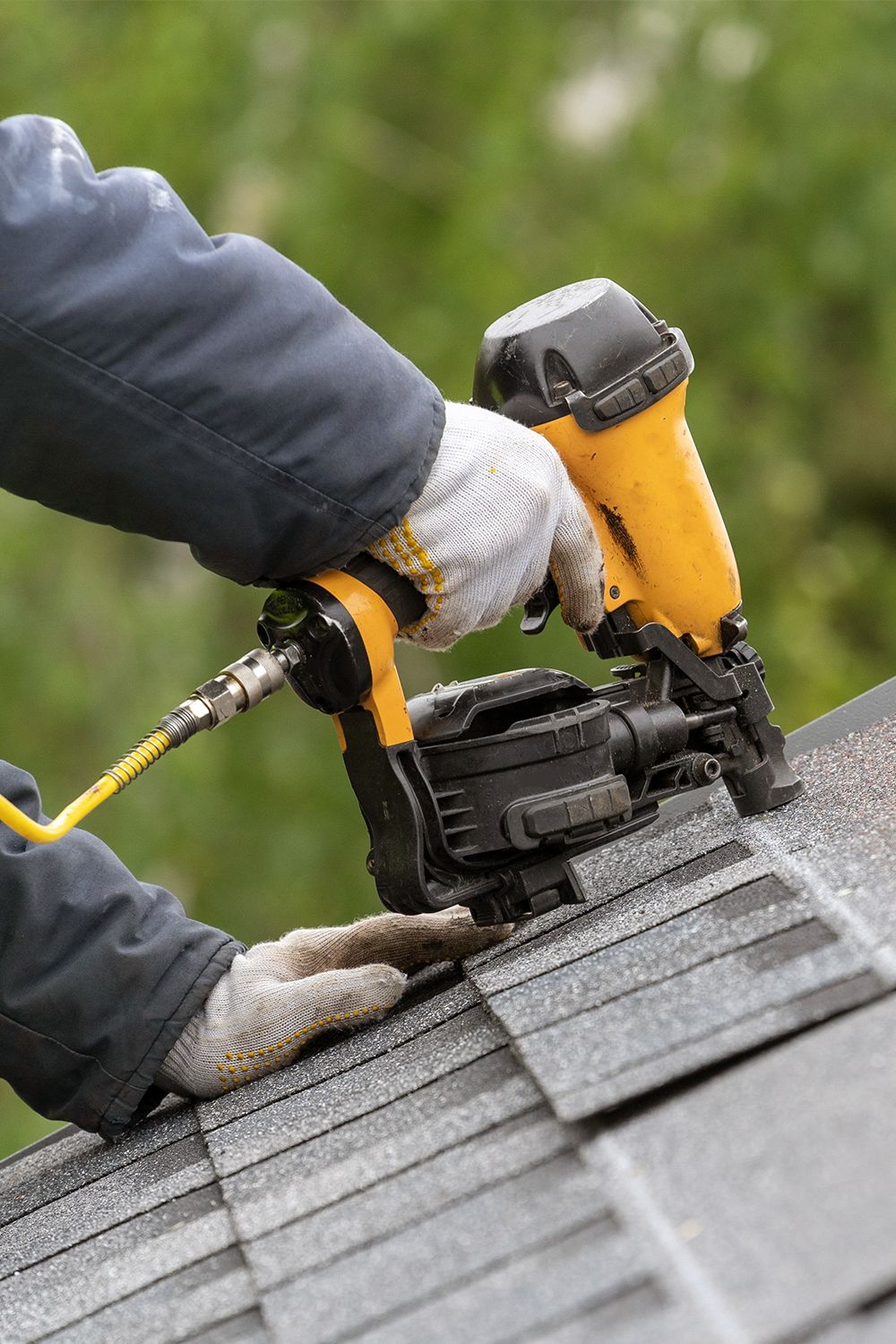
Number of Nails: Most architectural shingles require at least six nails per shingle, especially in high-wind areas. Some manufacturers' high-wind warranty requirements might even specify more.
Adequate Ventilation: A properly ventilated attic is critical for the longevity of your entire roofing system, including the shingles.
Balanced Ventilation: This means having a balance of intake (soffit vents) and exhaust (ridge vents, box vents) to allow hot, moist air to escape the attic.
Preventing Heat Buildup: Without proper ventilation, heat builds up in the attic, which can prematurely age your shingles and cause your HVAC system to work harder.
Flashing Installation: This is about sealing vulnerable areas where roof planes meet or where roof penetrations occur.
Step Flashing, Valley Flashing, Pipe Boots: These are all critical components that must be installed correctly to prevent leaks. The quality of the flashing material and the meticulousness of its installation directly impact your roof's ability to keep water out.
Step 1: Deck Inspection
Ensure the roof deck is solid, dry, and free of rot or damage before any underlayment is applied. Repair or replace any compromised sections.
Step 2: Underlayment Application
Install high-quality synthetic underlayment and self-adhering ice and water shield in all critical areas according to manufacturer specifications.
Step 3: Shingle Installation
Follow manufacturer guidelines precisely for nailing patterns, shingle overlap, and starter strip placement. Use pneumatic nailers calibrated correctly.
Step 4: Flashing & Sealing
Meticulously install and seal all flashing around chimneys, vents, skylights, and in valleys to create a watertight barrier.
Step 5: Ridge Vent Installation
Install a continuous ridge vent system for optimal attic ventilation, ensuring it's properly sealed and integrated with the rest of the roof.
🛠️
How to Get This Done
DIY installation of high-quality shingles is not recommended for homeowners. It requires specialized tools, knowledge, and experience to meet manufacturer specifications and warranty requirements. Montesco Roofing has been installing roofs in DFW for over 13 years, ensuring every shingle is applied with precision and care. We adhere strictly to manufacturer guidelines and local building codes to guarantee the longevity and performance of your new roof.
A high-quality installation is the bridge between excellent materials and a long-lasting, reliable roof. It’s a critical step that ensures your investment in best quality shingles pays off for decades.
Real-World Performance: High-Quality Shingles in Texas Weather
We all see the marketing claims, but how do best quality shingles actually perform when put to the test by the unpredictable Texas weather? Having been in the DFW roofing industry for over 13 years, I've seen firsthand the difference quality materials and installation make.
Surviving DFW Hailstorms: This is a big one. We get hail. Sometimes it's pea-sized, sometimes it's golf-ball-sized or larger.
Impact-Resistant Shingles (Class 4): I've seen homes with Class 4 shingles withstand hail that has left dents in metal cars parked nearby, with minimal to no damage to the shingles themselves. The granules might show some bruising, but the shingle remains intact, preventing leaks.
Standard Shingles: In contrast, standard shingles often show significant cracking or even shattering under similar hail impacts. This leads to granule loss and immediate vulnerability to water intrusion, often necessitating a full roof replacement.
Withstanding Extreme Heat and Sun: DFW summers are brutal. Temperatures frequently climb into the triple digits, and the sun beats down relentlessly.
UV Protection: High-quality shingles with advanced granule technology reflect more solar radiation and resist UV degradation. This keeps the asphalt core from becoming brittle and cracking prematurely.
Flexibility: Shingles with modified asphalt or superior asphalt blends maintain their flexibility even under extreme heat. This prevents them from becoming so rigid that they crack when the roof expands and contracts with daily temperature changes.
Resisting High Winds and Gusts: We don't just get strong winds; we get sudden strong winds, often associated with thunderstorms.
Superior Adhesion and Nailing: Architectural shingles with enhanced nailing strips (like SureNail® or LayerLock®) and proper six-nail patterns are far more likely to stay put. I've seen roofs where standard shingles have blown off in sections, while neighboring homes with higher-quality, properly installed shingles remained intact.
Wind Uplift Resistance: The layered design of architectural shingles creates a more aerodynamic profile and a stronger bond, making them inherently more resistant to wind uplift than flat 3-tab shingles.
"We had a hailstorm last spring that was pretty severe. We were worried, but our roof, installed by Montesco Roofing just two years ago with those high-quality architectural shingles, came through without a single issue. Our neighbor's roof, older and a different brand, needed repairs."
— A homeowner in Plano
The testimonials and observations from our work across DFW consistently show that investing in best quality shingles, coupled with expert installation, is the most effective strategy for protecting your home against our region's unique weather challenges. It's not just about aesthetics; it's about proven performance when it matters most.
Choosing the Right Shingle for Your DFW Climate & Home Style
Selecting the best quality shingles isn't a one-size-fits-all decision. While prioritizing durability and performance is key for DFW, you also need to consider your specific home and local climate nuances.
Climate Considerations for DFW:
Heat and UV Exposure: Prioritize shingles with excellent UV resistance and reflective qualities. Lighter colors can also help reflect solar energy, keeping your attic cooler and reducing energy costs.
Hail and Wind: Class 4 impact resistance and high wind ratings (110 mph+) are non-negotiable for maximizing protection.
Humidity: Algae-resistant features are highly beneficial to prevent staining and maintain curb appeal in our humid environment.
Home Style and Aesthetics:
Architectural Style: The style of your home should guide your shingle choice. Modern homes might benefit from sleeker, dimensional shingles, while traditional or craftsman homes can be complemented by a wider range of architectural styles.
Color Selection: Shingle color can significantly impact your home's overall look and even its energy efficiency. Lighter colors tend to reflect more heat, while darker colors absorb it. Consider how the color will complement your home's siding, brick, and trim.
Budget vs. Long-Term Value:
While upfront cost is a factor, always weigh it against the long-term value. High-end shingles with longer lifespans, better warranties, and superior performance will almost always offer a lower cost of ownership over 20-30 years compared to cheaper alternatives.
Consider the total cost of ownership, including potential repair costs, energy savings, and the eventual need for replacement.
For most DFW homeowners, a premium architectural asphalt shingle from a top manufacturer offers the ideal balance of cost, performance, and aesthetics. It provides the robust protection needed for our climate while offering a significant aesthetic upgrade and long-term value. Always consult with a local, experienced DFW roofing contractor to discuss the best options for your specific home and budget.
Making an informed choice involves looking beyond just the price tag. It's about understanding the materials, the performance ratings, and how they align with the demands of living in North Texas.
Maintaining Your High-Quality Shingle Roof for Longevity
Even the best quality shingles benefit from a little care. Regular maintenance is key to maximizing their lifespan and ensuring they continue to protect your home effectively for years to come.
Regular Visual Inspections:
From the Ground: Periodically walk around your house and look up at your roof. Check for any obvious signs of damage like missing, cracked, or curling shingles. Look for excessive granule loss in your gutters.
From the Attic: On a sunny day, go into your attic and look for any signs of daylight coming through the roof deck. This indicates a breach in your waterproofing. Also, check for any signs of moisture or mold.
Keep Gutters Clean: Clogged gutters can cause water to back up under your shingles, leading to rot and damage. Ensure your gutters are free of leaves and debris, especially before and after our heavy rain seasons.
Trim Overhanging Branches: Tree branches rubbing against your shingles can cause abrasion and wear. They also provide a pathway for moisture and can be a hazard during storms. Trim them back to maintain a few feet of clearance from your roofline.
Address Minor Issues Promptly: If you notice a cracked shingle, a loose flashing, or a small area of granule loss, don't wait. A minor repair today can prevent a much larger, more expensive problem down the line.
💡
Pro Tip
Consider having your roof professionally inspected every 2-3 years, or after any major storm event. A seasoned DFW roofing contractor can spot issues that the average homeowner might miss, and can perform targeted repairs to extend the life of your roof.
Professional Cleaning (If Needed): In some cases, algae or moss can grow on shingles, especially in shaded areas. While many premium shingles have algae resistance, severe growth can be unsightly and potentially damaging. If cleaning is necessary, use a low-pressure wash and appropriate, manufacturer-approved cleaning solutions. Never use a harsh pressure washer, as it can damage the shingles.
By being proactive with maintenance, you can help ensure that your investment in high-quality shingles continues to provide reliable protection for its intended lifespan and beyond.
Need help putting this into action? Our team has protected hundreds of DFW homes with quality roofing solutions. Tell us about your roof — free inspection, no pressure.
Right Now: Go outside and look at your roof from the street. Check for any obvious signs of damage like missing shingles or sagging.
This Week: Check your attic for daylight or water stains. If you have them, it's time to call a professional.
When Ready: If you're considering a roof replacement or have concerns about your current roof's condition, schedule your free inspection with Montesco Roofing. We'll assess your roof's health and discuss the best quality shingle options for your DFW home.
Frequently Asked Questions About Quality Roofing Shingles
What is the most important factor for shingle quality in DFW?
In DFW, the most important factors for shingle quality are resistance to hail and high winds, along with UV protection from the intense sun. Look for Class 4 impact ratings and high wind speed warranties (110 mph+).
Are architectural shingles worth the extra cost in Texas?
Absolutely. Architectural shingles offer significantly better durability, wind resistance, and a longer lifespan than 3-tab shingles. For the demanding Texas climate, they provide much better long-term value and protection, making the higher upfront cost well worth it.
How long do the best quality shingles typically last in DFW?
The best quality architectural shingles from reputable brands, when installed correctly, can typically last 25-30 years or even longer in the DFW climate. Some premium or specialized materials might offer even longer lifespans.
What does "Class 4 impact resistance" mean for my roof?
"Class 4 impact resistance" means the shingle has been tested and proven to withstand impacts from 1.75-inch diameter hailstones without cracking. This is the highest rating and offers significant protection against hail damage common in North Texas.
Should I worry about algae on my roof in DFW?
Yes, especially in more humid conditions or shaded areas. Algae can cause unsightly black streaks and, if left unchecked, can degrade shingles over time. Look for shingles with built-in algae-resistant technology, often incorporating copper granules.
What's the difference between a manufacturer's warranty and a workmanship warranty?
A manufacturer's warranty covers defects in the shingles themselves, while a workmanship warranty, provided by your roofing contractor, covers issues related to the installation of those shingles. Both are critical for comprehensive protection.
Can I save money by using cheaper, lower-quality shingles?
While cheaper shingles have a lower upfront cost, they often have a shorter lifespan, are more susceptible to damage from DFW weather, and may not perform as well. This can lead to more frequent repairs and earlier replacement, making them more expensive in the long run. Investing in quality upfront is usually more cost-effective.
MR
Montesco Roofing Team
DFW's trusted roofing contractor with 13+ years of experience. Specializing in roof replacements, storm damage repair, and insurance claims across Dallas-Fort Worth.