This is how your Roof Vents Work
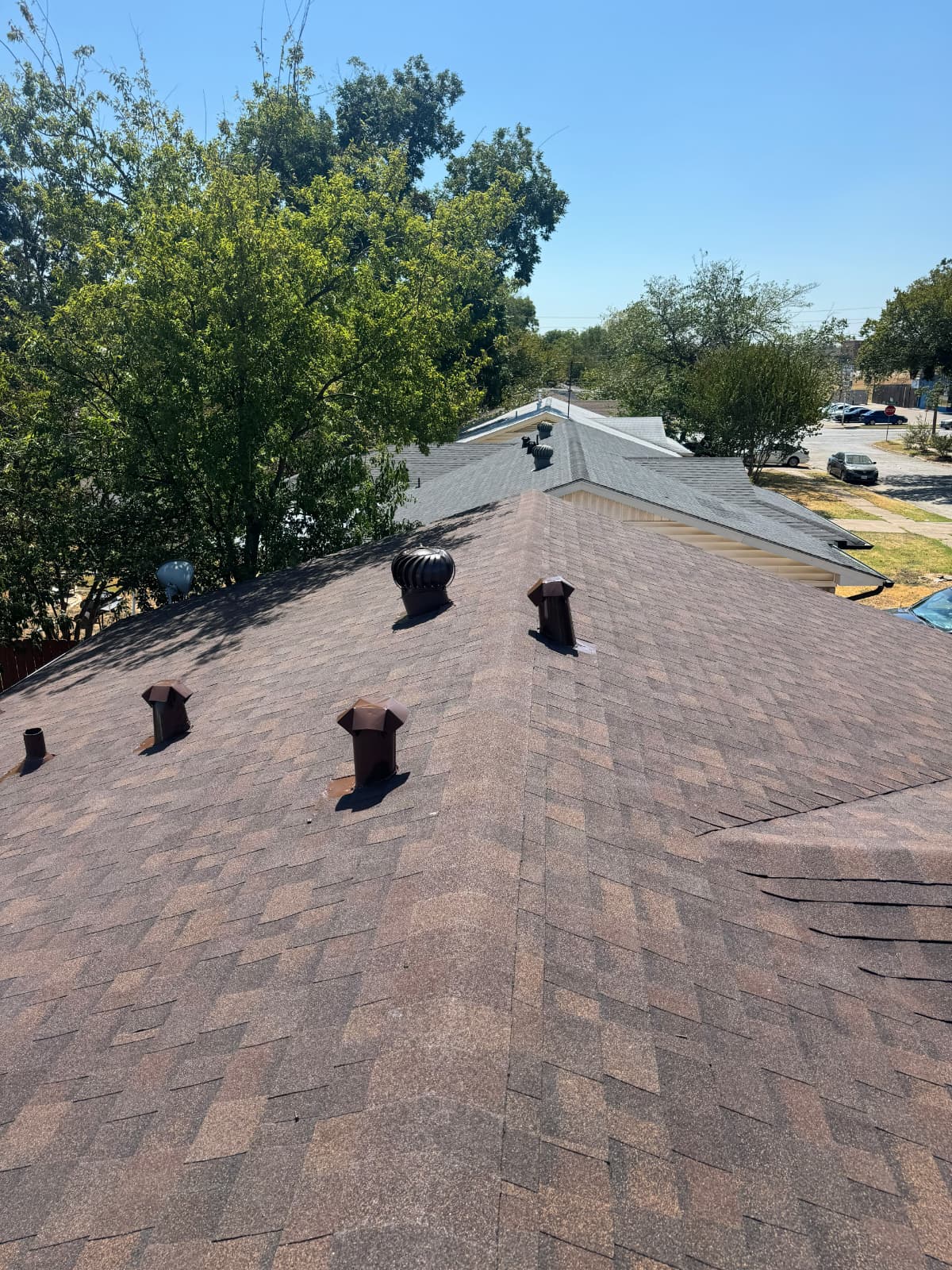
You're probably not thinking about your attic ventilation every day, and honestly, that's usually fine. But what if I told you that a poorly ventilated attic is quietly costing you money, accelerating roof damage, and even impacting your home's comfort right now, in October 2026? It's true. Especially here in the DFW Metroplex, where our summers are legendary and our winters can still throw a curveball, a healthy attic space is crucial. If you've noticed higher energy bills than usual, or maybe some strange moisture issues, it might not be your HVAC system acting up – it could be your roof.
The Silent Energy Drain: Why Attic Ventilation Matters in DFW's Climate
Let's talk about DFW. We know this area for its scorching summers, right? Temperatures often climb well into the 90s, sometimes even hitting 100°F or more. When that sun beats down on your roof, it heats up the shingles, and that heat doesn't just stop there. It radiates downwards into your attic space. Without proper ventilation, that heat gets trapped. Think of your attic like a car parked in the sun – it becomes an oven.
This trapped heat has a couple of major consequences. First, it makes your entire house hotter. Your air conditioning system has to work overtime trying to cool down your living space, which means higher electricity bills for you. It's like trying to cool a sauna – you're just fighting an uphill battle. In 2026, with energy costs being what they are, this is a real concern for homeowners across North Texas.
Second, that superheated attic air can actually damage your roof. Asphalt shingles, especially older ones, can dry out and become brittle much faster when constantly exposed to extreme heat. This makes them more susceptible to cracking and granule loss, the very things that lead to leaks and further damage. We've seen it time and again here in Plano, Frisco, and all over the Metroplex – roofs that fail prematurely not because of a storm, but because of consistent heat and poor air circulation.
And it's not just about heat. In the cooler months, or during those humid DFW days, moisture can become a problem. When warm, moist air from your home rises into the attic and meets cooler surfaces, condensation can form. This moisture, if not properly vented out, can lead to mold and mildew growth, rot in your roof decking, and can even compromise the insulation in your attic, making your home less energy-efficient year-round.
So, while you might not see it, that attic space is a critical player in your home's overall health and efficiency. It's not just about keeping the rain out; it's about managing the air inside your home's protective shell.
7 Critical Warning Signs Your DFW Roof Ventilation is Failing (And What They Mean)
Now, how do you know if your attic ventilation is actually having problems? You don't need to be a roofing expert to spot some of the tell-tale signs. I've put together a list of seven things to look out for, things that can indicate your attic is struggling to breathe properly. If you notice any of these, it's worth a closer look, especially if you're in a DFW neighborhood like Rowlett or Arlington where we see a lot of homes.
1. High Energy Bills
This is often the first thing homeowners notice. If your electricity bills seem unusually high, especially during the summer months, and you can't pinpoint the cause to appliance usage or thermostat settings, your attic's inability to vent heat efficiently could be a major culprit. It's a classic symptom of an overworked AC trying to compensate for a baked attic.
2. Excessive Heat in the Attic
If you ever go up into your attic and it feels significantly hotter than the outside air, even on a milder day, that's a red flag. A properly ventilated attic should feel warm, but not unbearable. If it's like stepping into an oven, the ventilation system isn't doing its job of exhausting that superheated air.
3. Ice Dams in Winter (Less Common in DFW, but Possible!)
While DFW doesn't get heavy snow like up north, we can still have freezing temperatures and occasional ice. In colder climates, poor attic ventilation causes heat to rise and melt snow on the roof. This meltwater then refreezes at the roof's edge, forming ice dams. These dams can force water back up under your shingles and into your home. While rare here, any persistent ice buildup on your roof edge warrants investigation.
4. Signs of Moisture or Mold
Look for condensation on the underside of your roof decking, rafters, or on insulation. You might also see dark spots or fuzzy growth – that's mold or mildew. This indicates that humid air is getting trapped and cooling down, creating the perfect environment for mold. This is a serious health concern and can also lead to wood rot.
5. Sagging Roof Decking or Rotted Wood
Persistent moisture in the attic will eventually start to degrade the wooden structure of your roof. If you notice any areas of the roof decking that appear soft, warped, or show signs of rot, it's a clear indicator that moisture has been trapped for too long due to poor ventilation. This is a structural issue that needs immediate attention.
6. Granule Loss on Shingles
While some granule loss is normal over time, excessive loss can be a sign of heat stress. When shingles get too hot, the asphalt binder can degrade, leading to more granules washing off into your gutters. If you're finding a lot of shingle grit in your gutters or downspouts, it could be linked to an overheated attic environment.
7. Peeling or Curling Shingles
Shingles that are curling up at the edges or appearing brittle and damaged are often a result of prolonged exposure to extreme heat and moisture. Proper ventilation helps regulate attic temperature, extending the life of your shingles. If you're seeing this, your roof is likely working harder than it should and is more vulnerable to storm damage.
Don't confuse a lack of ventilation with a lack of insulation. While both are important for energy efficiency, they serve different purposes. Insulation keeps conditioned air in and unconditioned air out, while ventilation manages the air quality and temperature within the attic space itself.
The High Cost of Neglect: How Poor Ventilation Destroys Your Roof & Home
Ignoring these warning signs is like ignoring a small leak – it might seem minor now, but it can snowball into a massive, expensive problem. For homeowners in DFW, the consequences of poor attic ventilation can be severe and costly, impacting both your wallet and the integrity of your home.
The most immediate impact is on your energy bills. As I mentioned, a poorly ventilated attic acts like a giant heat sink in the summer. Your air conditioner has to work 24/7 to combat this constant influx of heat. This isn't just a few extra dollars; studies show that improving attic ventilation and insulation can reduce cooling costs by as much as 15-20% annually. In a place like Dallas or Fort Worth, where AC is a necessity for half the year, that adds up significantly over time.
Then there's the damage to your roof itself. Asphalt shingles are designed to withstand the elements, but they have a lifespan. Extreme heat accelerates their aging process. The asphalt binder becomes brittle, leading to cracking and granule loss. This compromises the shingle's ability to protect your home from water. Instead of getting 20-30 years out of your roof, you might find yourself needing a roof replacement much sooner, potentially in as little as 10-15 years. That's a huge, unexpected expense.
But it doesn't stop with the shingles. The heat and moisture trapped in the attic can also damage the underlying structures:
- Roof Decking: The plywood or OSB sheathing that your shingles are attached to can rot from persistent moisture. This makes it unstable and unable to support the roof properly. Replacing rotted decking is a significant added cost during a roof replacement.
- Trusses and Rafters: The structural beams of your roof can also be compromised by prolonged dampness and mold growth, leading to potential structural failures.
- Insulation: When insulation gets damp, it loses its effectiveness. Wet insulation can't trap air properly, meaning your home loses more heat in the winter and gains more heat in the summer, further exacerbating your energy bill woes. It also becomes a breeding ground for mold and mildew.
Beyond structural and energy concerns, poor ventilation can create unhealthy living conditions. Mold and mildew spores can travel through your home's ventilation system, potentially causing or worsening respiratory problems, allergies, and other health issues for your family. Especially in humid climates like DFW, controlling moisture is key to maintaining a healthy indoor environment.
Key Insight
The combination of intense summer heat and potential for humidity in DFW makes attic ventilation not just an energy efficiency upgrade, but a crucial component of preventative home maintenance. It protects your investment, your comfort, and your family's health.
When you consider the cost of increased energy bills, premature roof replacement, potential structural repairs, and health concerns, the investment in proper attic ventilation is a fraction of the potential long-term expenses. It's one of those "ounce of prevention" scenarios that pays dividends for years to come.
Understanding the Science: How Proper Attic Ventilation Works
So, how does proper attic ventilation actually work? It's not magic; it's basic physics – the principle of air movement. The goal is to create a continuous flow of air through your attic space. This is typically achieved using a system of intake vents and exhaust vents.
Intake Vents: These are usually located at the lowest point of your roof, often as soffit vents or eaves vents. Their job is to draw fresh, cooler, drier outside air into the attic. Think of them as the "lungs" of your attic, breathing in the good air.
Exhaust Vents: These are located at the highest point of your roof, where hot air naturally rises. Common types include ridge vents (running along the peak of the roof), gable vents (on the triangular ends of the roof), or box vents (individual vents installed on the roof surface). Their job is to let the hot, moist air escape. These are the "lungs" exhaling the bad air.
The Stack Effect
The fundamental principle is the stack effect or chimney effect. Hot air is less dense than cold air, so it naturally rises. When you have intake vents low and exhaust vents high, this natural tendency creates a convection current. Cooler air enters low, gets heated by the sun and the house below, rises, and is then pushed out by more incoming air.
Balanced System is Key
For effective ventilation, you need a balanced system. This means having roughly equal amounts of intake and exhaust ventilation. Too much exhaust and not enough intake can create negative pressure, pulling conditioned air from your home into the attic, which is counterproductive. Too much intake and not enough exhaust can lead to stagnant air pockets.
The ideal ratio is generally considered to be about 1 square foot of net free ventilating area for every 150 square feet of attic floor space, split equally between intake and exhaust. For example, a 1500 sq ft attic might need 10 sq ft of intake and 10 sq ft of exhaust. Manufacturers often specify the net free area of their vents, so it's important to calculate this accurately when designing or assessing a system.
In DFW, with our intense sun and humidity, a robust and well-designed ventilation system is non-negotiable. It's about ensuring a constant cycle of fresh air, pushing out the heat and moisture before it can do damage. It’s a passive system, meaning it doesn’t require electricity to run, making it incredibly energy-efficient.
Don't assume your vents are clear. Over time, insulation can shift and block soffit vents, or debris and pests can clog exhaust vents. Regular inspection is key to ensuring your ventilation system is working as intended.
Ventilation Options for DFW Homes: A Professional's Guide

When it comes to attic ventilation for DFW homes, there isn't a one-size-fits-all solution. The best approach often involves a combination of different vent types, tailored to your specific roof design and home's needs. As a roofing contractor who's been working in this area for over 13 years, I've seen what works best.
1. Soffit Vents (Intake): These are your primary intake vents. They're installed in the overhangs of your roof, under the eaves. They draw in fresh air from the lowest point. They're essential for creating that continuous airflow. Many modern homes have continuous soffit vents that run the length of the eaves, providing excellent, even intake. Older homes might have individual box vents, which are less effective.
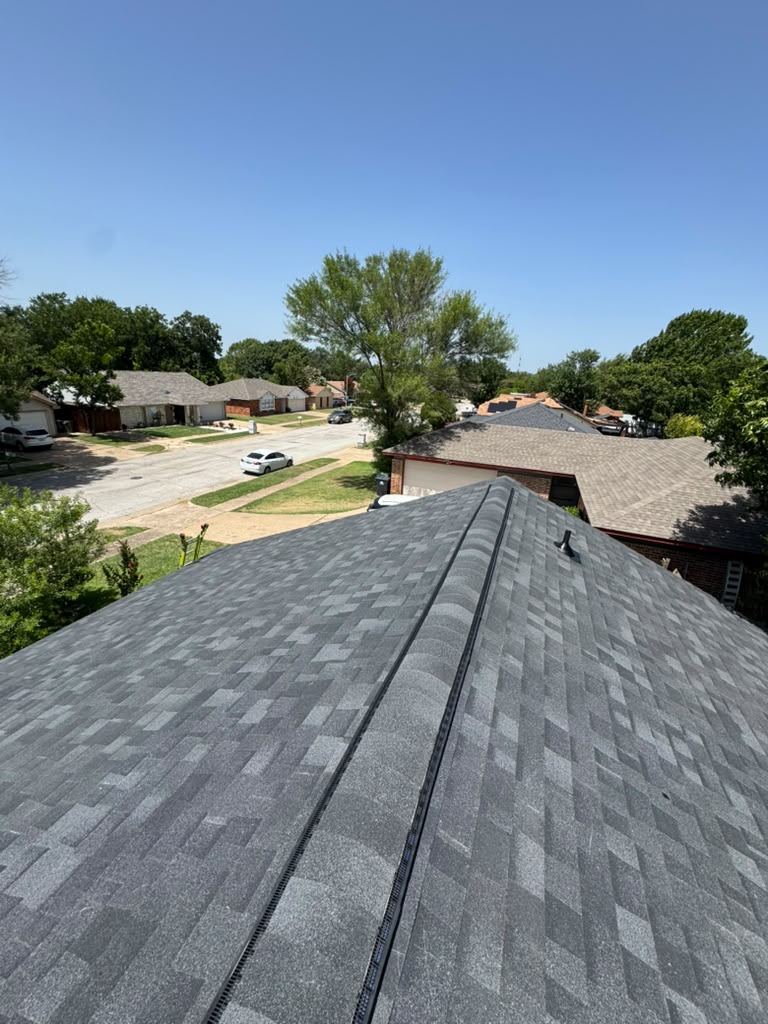
2. Ridge Vents (Exhaust): These are my preferred exhaust vents for most sloped roofs. A ridge vent is installed along the very peak of the roof, where the two sides meet. As hot air rises, it naturally exits through the ridge vent. They are highly effective because they utilize the highest point of the roof and can cover a significant length, providing ample exhaust capacity. They also provide a clean, seamless look from the outside, unlike some older box vents.
3. Gable Vents (Exhaust/Intake): These are vents installed in the triangular gable ends of a house. They can function as either intake or exhaust depending on wind direction and the overall system design. While they can add to ventilation, they are often not sufficient on their own and can sometimes create drafts if not properly balanced with other vents.
4. Box Vents / Static Vents (Exhaust): These are individual vents installed on the roof surface. They rely on wind to help push air out. They're less efficient than ridge vents because they are placed lower on the roof slope and their effectiveness is highly dependent on wind conditions. They can also be prone to leaks if not installed perfectly.
5. Powered Vents (Exhaust): These are electric fans installed in the attic that actively pull air out. While they can be very effective at moving air, they consume electricity, can sometimes create negative pressure issues if not properly balanced, and are another mechanical component that can fail. I generally recommend trying to achieve proper ventilation with passive systems first.
6. Solar-Powered Vents: These are a good compromise. They use a solar panel to power a fan, so they don't add to your electricity bill. They can be very effective, especially on homes that get a lot of direct sun.
Soffit Vents (Intake)
Pros: Even air intake, low profile, works with wind pressure.
Cons: Can be blocked by insulation if not installed properly, requires overhangs.
Ridge Vents (Exhaust)
Pros: Most effective exhaust, uses natural convection, aesthetically pleasing, works with wind pressure.
Cons: Requires a continuous ridge line, can be more costly initially than box vents.
Box Vents (Exhaust)
Pros: Relatively inexpensive, can be installed on most roof slopes.
Cons: Less effective than ridge vents, performance depends on wind, potential leak points.
The best ventilation strategy for your DFW home involves a system that uses a combination of soffit (or similar low intake) vents and effective ridge (or high exhaust) vents. This creates that crucial airflow cycle that keeps your attic healthy. When we assess a home, we look at the roof pitch, the existing vents, the attic insulation, and the overall structure to recommend the most effective and efficient solution.
DIY vs. Professional Ventilation Solutions: What's Right for Your Home?
When it comes to attic ventilation, many homeowners wonder if it's a DIY project or something best left to the pros. Like most things in roofing, it depends on your skill level, the complexity of your roof, and what you're trying to achieve. However, for most DFW homeowners, especially those looking for a truly effective and long-lasting solution, professional installation is the way to go.
| Feature | DIY Approach | Professional Installation (Montesco Roofing) |
|---|---|---|
| Initial Assessment | Limited; may miss subtle signs of damage or improper existing setup. | Comprehensive inspection of attic, insulation, roof structure, and existing ventilation. Expert diagnosis of problems. |
| Vent Type Selection | May choose based on cost or availability, not necessarily optimal performance. | Recommends the best combination of intake and exhaust vents (e.g., soffit + ridge) based on roof design and attic size for balanced airflow. |
| Material Quality | May use lower-grade materials to save money. | Uses high-quality, durable vents from reputable manufacturers designed for DFW's climate. |
| Installation Precision | Risk of improper sealing, leading to leaks, or incorrect placement impacting airflow. | Experienced technicians ensure proper sealing, flashing, and alignment to prevent leaks and maximize airflow efficiency. Adheres to building codes. |
| Warranty & Guarantee | None; any issues are your responsibility. | Workmanship warranty provided by Montesco Roofing, in addition to manufacturer warranties on vents. |
| Long-Term Cost | May save money upfront but can lead to costly repairs if done incorrectly. | Investment in a properly functioning system that reduces energy costs and extends roof life, providing significant long-term savings. |
| Insurance Claim Support | N/A | Can provide documentation and support if ventilation issues are related to storm damage claims. |
While you can certainly buy vents and attempt to install them yourself, the risks are significant. Improperly installed vents can be a major source of roof leaks. If you don't have the right tools or knowledge, you could damage your shingles, roof decking, or insulation. Furthermore, calculating the precise ventilation needs for your home requires an understanding of airflow dynamics and building science that most homeowners don't possess.
At Montesco Roofing, we don't just slap vents on your roof. We perform a thorough assessment, looking at your attic's current condition, your insulation levels, and your roof's structure. We then design a ventilation system that specifically addresses your home's needs, ensuring a balanced intake and exhaust flow. Our team has over 13 years of experience working on DFW homes, understanding the unique challenges our climate presents.
How to Get This Done
If you want to handle this yourself, here's exactly what you need: research specific vent types, purchase appropriate quantities based on attic square footage (remembering intake vs. exhaust balance), gather tools for cutting shingles and roof decking, and learn proper flashing and sealing techniques to prevent leaks. If you'd rather have experienced roofers handle it, our team has done this on hundreds of DFW homes — here's how our process works: We start with a detailed inspection, provide a transparent quote, schedule the work at your convenience, and ensure a clean, professional installation with a full workmanship warranty.
Montesco Roofing's Approach to Optimizing Your DFW Attic Ventilation

When you choose Montesco Roofing to assess or upgrade your attic ventilation, you're not just getting vents installed; you're getting a comprehensive solution designed to protect your home. Our process is built on experience and a genuine commitment to quality.
First, we conduct a thorough attic inspection. This isn't just a quick look. We'll go into your attic (if safe to do so) to check the insulation levels, look for any signs of moisture, mold, or rot, and assess the condition of your existing ventilation. We'll also examine your roof from the outside, looking at the type and condition of your current vents, the roof decking, and the shingles.
Based on this inspection, we'll provide you with a clear, honest assessment of your ventilation system's performance. We'll explain exactly what's working, what's not, and why. If upgrades or repairs are needed, we'll discuss the best options for your specific home and budget. This might involve adding more intake vents, upgrading to more efficient exhaust vents like ridge vents, or ensuring your existing vents are properly sealed and functioning.
We pride ourselves on using high-quality materials from trusted manufacturers. We understand that your roof is a long-term investment, and we want to ensure that any ventilation components we install will stand up to the harsh DFW climate for years to come. We're not about quick fixes; we're about lasting solutions.
Our installation process is meticulous. Our experienced technicians are trained to install ventilation systems correctly, ensuring proper sealing and flashing to prevent any potential for leaks. We understand that working on your roof requires care and precision, and we treat every home as if it were our own. We’ll leave your property clean and tidy, with a ventilation system that's working efficiently.
And because we stand behind our work, we offer a workmanship warranty on all our installations. This gives you peace of mind knowing that your investment is protected. For us, it's about building trust and ensuring that DFW homeowners have the most durable, efficient, and healthy homes possible.
Need help putting this into action? Our team has protected hundreds of DFW homes. Tell us about your roof — free inspection, no pressure.
Get Your Free Roof Inspection →Frequently Asked Questions About DFW Roof & Attic Ventilation
Frequently Asked Questions About DFW Roof & Attic Ventilation
What is the ideal attic ventilation ratio for a DFW home?
Can poor attic ventilation cause my roof to leak during a DFW storm?
How often should I have my attic ventilation checked?
Will adding more vents void my roof warranty?
Are solar-powered attic vents worth the investment for my DFW home?
What's the difference between attic ventilation and attic insulation?
Montesco Roofing Team
DFW's trusted roofing contractor with 13+ years of experience. Specializing in roof replacements, storm damage repair, and insurance claims across Dallas-Fort Worth.
Get in touch →