Arlington Roof Inspection: 21-Point Checklist You Can Do From the Ground in 2026
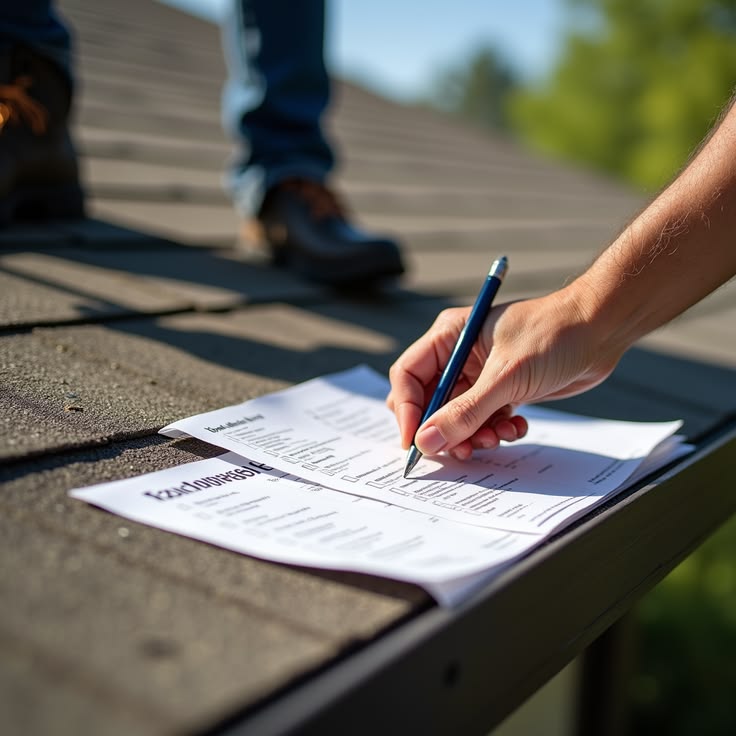
You've probably heard it a hundred times: "Your roof is your home's first line of defense." And it's true, especially here in Arlington, Texas. We get our fair share of wild weather – from blistering summer sun to those sudden, fierce Texas thunderstorms that can bring hail and high winds. If you're finding yourself staring up at the sky after a storm, wondering if your roof held up, you're not alone. The big question is, how do you know for sure without climbing up there and risking a fall? That's where a good, thorough ground-level inspection comes in. It's about being proactive, spotting potential issues early before they turn into expensive headaches.
Why a Ground-Level Roof Inspection Matters for Arlington Homes
Living in Arlington means living with the Texas climate. The relentless sun beats down, causing shingles to curl and crack over time. Then, just when you think you're safe, a summer storm can roll in with hail the size of golf balls or winds that can rip shingles right off. These aren't just minor inconveniences; they can lead to water intrusion, mold growth, and even compromise your home's structure. Waiting until you see a drip in your living room is often too late. By performing regular visual inspections from the ground, you can catch small problems—like a few missing shingles or damaged flashing—before they escalate into major, costly repairs or a full roof replacement. It's about peace of mind and protecting the significant investment you've made in your home. Think of it as a quick check-up that can save you thousands down the line.
As a roofing contractor who's been in the Dallas-Fort Worth area for over 13 years, I've seen firsthand what our weather can do to roofs. We've got homes in neighborhoods like South Arlington and North Arlington that are beautiful, but they're also exposed to the elements. A ground inspection is your first line of defense, allowing you to be aware of your roof's condition without needing specialized equipment or putting yourself in harm's way. It empowers you to make informed decisions about when it's time to call in the professionals.
The 21-Point Arlington Roof Inspection Checklist (From Your Lawn)
Alright, let's get down to brass tacks. You don't need to be a roofing expert to do a good job checking your roof from the ground. Grab a notepad and pen, or use your phone, and let's walk through your home section by section. We're going to break this down into a few key areas, but ultimately, it's a 21-point inspection. We'll start with the most obvious part – the shingles – and work our way through the critical components that keep your home dry.
Section 1: Shingle & Surface Integrity — What to Look For
This is where most people start, and it's where you'll see the most immediate signs of trouble. Your shingles are the primary barrier against the weather. We're looking for anything that suggests they aren't doing their job effectively anymore.
1. Missing Shingles
Walk around your entire house. Look for any shingles that are completely gone. Pay special attention to areas around the edges and peaks.
2. Cracked or Torn Shingles
Shingles can crack due to age, extreme temperature changes, or impact from hail. Look for any visible splits or tears.
3. Curled or Buckled Shingles
When shingles start to curl up at the edges or buckle in the middle, it means the seal is broken and they're losing their protective integrity. This is a common sign of aging or heat damage.
4. Granule Loss
Asphalt shingles have a layer of mineral granules that protect them from UV rays. If you see bald spots on your shingles or a significant amount of granules in your gutters (we'll get to those later), it's a problem.
Source: National Roofing Contractors Association (NRCA), 20235. Algae or Moss Growth
While not always a structural issue, significant algae or moss growth can trap moisture, potentially leading to shingle deterioration over time. It's more common in shaded areas.
Section 2: Flashing, Vents & Chimneys — Critical Vulnerabilities
These are often the unsung heroes (or villains, if they fail) of your roof. Flashing is the metal material used to waterproof seams and joints, especially around chimneys, vents, skylights, and where the roof meets a wall. Vents are crucial for attic ventilation. Any weakness here is a direct entry point for water.
6. Damaged Flashing
Look for any signs of rust, corrosion, or cracks in the metal flashing. Ensure it's sitting flush against the roof surface and not lifting or pulling away.
7. Loose or Missing Flashing
Sometimes, the nails holding flashing can loosen, or the flashing itself can be dislodged by wind. If you see any gaps or areas where it's not sealed properly, that's a concern.
8. Damaged Roof Vents
Check the plastic or metal vents on your roof. Look for cracks, holes, or any signs that they've been compromised. The seals around them are also important.
9. Chimney Condition
Inspect the chimney itself. Are there cracked bricks? Is the mortar crumbling? Check the flashing around the base of the chimney where it meets the roof. This is a very common leak spot.
10. Skylight Seals
If you have skylights, examine the seals around them. Look for any signs of deterioration, cracking, or separation from the roofline.
Key Insight
These areas—chimneys, vents, and valleys—are often the first places leaks appear after a storm. They are complex intersections where different roof planes meet, and they require meticulous installation and maintenance. A small issue here can quickly lead to significant interior water damage.
Section 3: Gutters & Downspouts — Your Roof's Drainage Defense
Your gutters and downspouts are designed to channel water away from your foundation. If they're clogged, damaged, or improperly sloped, that water can back up and cause all sorts of problems, including water seeping under your shingles or into your fascia boards.
11. Clogged Gutters
Look for debris like leaves, twigs, and shingle granules filling up your gutters. Overflowing gutters are a sign they're not draining properly.
12. Sagging Gutters
If your gutters are pulling away from the house or sagging in the middle, it indicates that the hangers may be loose or the gutter material is failing. This can cause water to pool and overflow.
13. Damaged Gutters
Check for dents, holes, or cracks in the gutters themselves. These can lead to leaks and improper water flow.
14. Downspout Condition
Ensure downspouts are securely attached and not bent or blocked. Water should be directed away from your home's foundation.
15. Shingle Granules in Gutters
As mentioned earlier, finding a significant amount of granules in your gutters is a clear sign that your shingles are degrading and losing their protective layer.
Section 4: Signs of Age & Environmental Stress
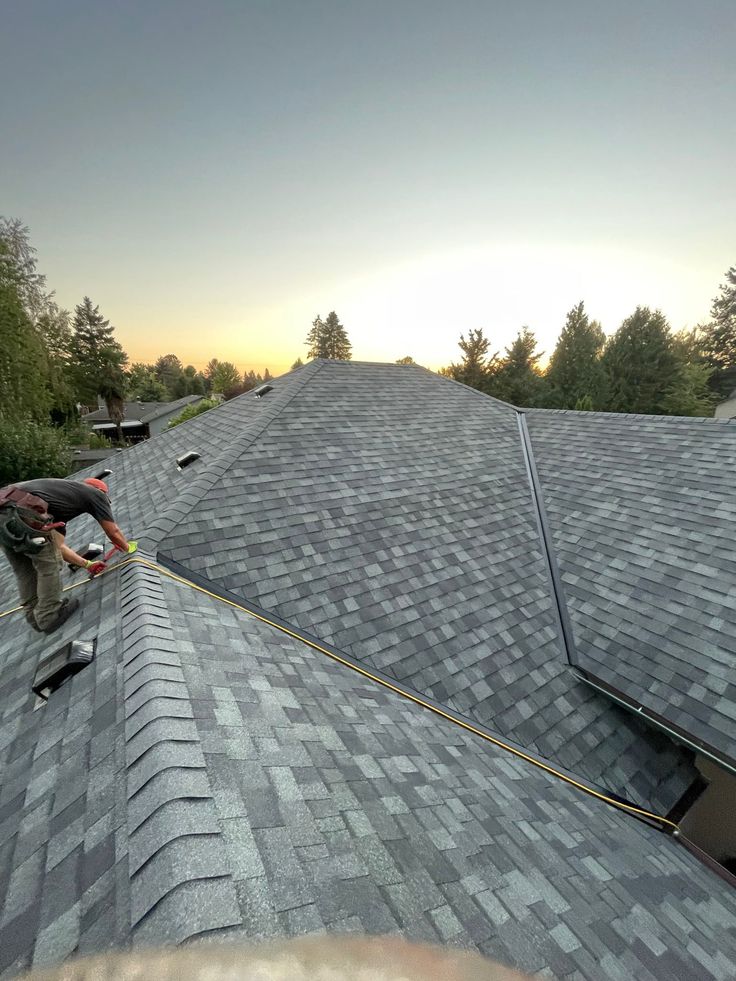
Beyond the specific components, there are general indicators that your roof is aging or has been through a lot. These are subtle clues that, when combined, paint a clearer picture of your roof's overall health.
16. Sagging Roofline
Look for any dips or sags in the overall shape of your roof. This could indicate underlying structural issues, water damage to the decking, or a roof that's nearing the end of its life.
17. Damaged Drip Edge
The drip edge is a metal flashing installed along the roof edges. If it's bent, rusted, or missing, water can run behind it and damage the fascia and decking.
18. Visible Punctures or Tears
Sometimes, fallen branches or debris can cause obvious punctures or tears in the roofing material that aren't necessarily missing shingles but are still weak points.
19. Granule Trails on Sidewalks/Driveways
If you see streaks of asphalt granules on your sidewalks or driveway, especially after rain, it's another indicator of significant shingle wear.
20. Damaged Soffits
The soffit is the underside of your roof's overhang. Look for any holes, rot, or damage. Proper soffit ventilation is crucial for attic health.
21. Evidence of Past Repairs
Look for areas where shingles might have been replaced or patched. While good if done correctly, it can also indicate recurring problems in that area.
Poor attic ventilation, often linked to damaged soffits or vents, can cause moisture buildup. This can lead to premature roof decay and even affect your home's energy efficiency. Source: U.S. Department of Energy, 2022
Beyond the Ground: When to Call a Professional Arlington Roofer
So, you've walked around your house, you've checked off all 21 points. What now? If you found absolutely nothing concerning, that's great! Keep this checklist handy and repeat the process every six months or after any major storm. However, if you noted even a few of these issues, it's time to consider bringing in a professional. Especially here in Arlington, where storms can be severe, it's not worth the risk of overlooking something critical.
Key Insight
A ground-level inspection is a fantastic tool for homeowners, but it's not a substitute for a professional roof assessment. A qualified roofing contractor has the experience, tools, and safety equipment to get on your roof and identify subtle issues that you simply can't see from the ground. They can also assess the condition of your decking, underlayment, and the integrity of your entire roofing system.
Here's when you should definitely call a professional like Montesco Roofing:
- You found multiple issues from the checklist (e.g., several missing or damaged shingles, significant granule loss).
- You suspect hail or wind damage after a recent storm. Even if you don't see obvious damage from the ground, hail can cause micro-bruises that aren't visible from afar.
- You see signs of sagging in your roofline.
- You notice water stains on your ceilings or walls, or you've discovered leaks in your attic.
- Your roof is over 15-20 years old, as it's likely nearing the end of its lifespan.
How to Get This Done
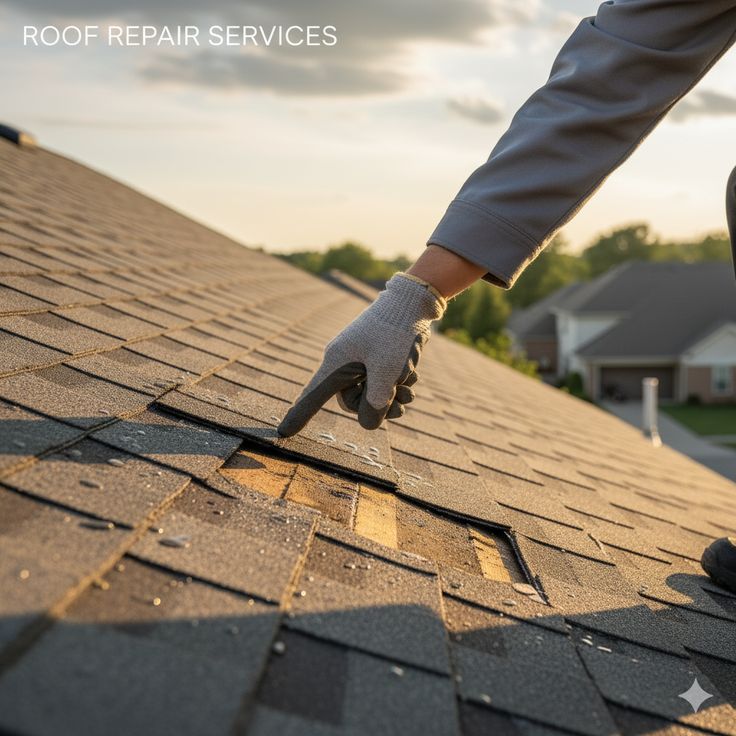
If you want to handle this yourself, you've got the 21-point checklist! If you'd rather have experienced roofers handle it, our team at Montesco Roofing has performed hundreds of thorough roof inspections on Arlington homes. Our process involves a detailed on-site evaluation, including a close-up inspection of your roof, attic, and drainage systems, followed by a clear, honest assessment of your roof's condition and any recommended solutions.
Understanding the Cost of Neglect: Repair vs. Replacement in Arlington
Ignoring minor roof issues in Arlington can lead to significantly higher costs down the road. When you let small problems fester, they often escalate into bigger ones that require more extensive and expensive solutions. This is where the decision between repair and replacement becomes critical. A timely repair can often extend the life of your roof, while neglecting it can force a premature and costly replacement.
| Feature | Minor Repair (Timely) | Deferred Maintenance / Neglect | Full Roof Replacement |
|---|---|---|---|
| Initial Cost | Low ($150 - $500+) | Can be low initially, but leads to higher costs later | High ($8,000 - $20,000+ for asphalt shingles) |
| Problem Addressed | Specific damaged shingles, flashing, or small leaks. | Escalated damage: water intrusion, rot, mold, structural compromise. | Complete system overhaul, addressing all underlying issues. |
| Lifespan Extension | Can add several years to a roof's life. | Often leads to a drastically shortened lifespan or total failure. | Restores full lifespan (20-50+ years depending on material). |
| Risk of Interior Damage | Low to moderate, depending on the repair's effectiveness. | Very High. Leaks become widespread, damaging drywall, insulation, and framing. | Low (if done by professionals), as the new system is watertight. |
| Warranty | Often limited, specific to the repair area. | No warranty on existing roof; potential for new damage to existing issues. | Manufacturer warranty on materials + workmanship warranty from contractor. |
| Peace of Mind | Moderate, depending on the extent of the repair. | Very Low. Constant worry about leaks and further damage. | High. Knowing your home is protected by a new, durable roof. |
As you can see, putting off repairs might seem like saving money in the short term, but it almost always costs more in the long run. For homeowners in Arlington, investing in regular maintenance and timely repairs is a smart financial strategy. If your roof is aging or has sustained significant damage, a full replacement might be the most cost-effective solution for long-term protection. We've seen too many cases where a small leak, ignored for too long, turned into a multi-thousand dollar interior renovation project on top of the roof repair.
Don't let minor issues snowball. Proactive inspections and maintenance are key to avoiding the high costs associated with major neglect. Source: Consumer Reports, 2023
Montesco Roofing: Your Trusted Arlington Roof Inspection Partner
At Montesco Roofing, we understand that your roof is more than just shingles and tar. It's the guardian of your family, your belongings, and your home's structural integrity. With over 13 years of dedicated service to the DFW metroplex, including Arlington, we've built our reputation on honesty, quality craftsmanship, and a genuine commitment to protecting homes like yours. We're not just here to sell you a new roof; we're here to be your trusted advisor.
"We treat every home like it's our own. That means being thorough, transparent, and ensuring you understand every step of the process."— Montesco Roofing Expert
When you suspect an issue with your roof, or even if you just want peace of mind after a strong storm, our team is ready. We offer comprehensive roof inspections that go far beyond what you can see from the ground. Our certified inspectors know exactly what to look for, from the smallest granule loss to the structural integrity of your roof deck. We're familiar with the specific challenges Arlington homes face, from the intense summer sun to the unpredictable Texas storms. Our goal is to provide you with a clear, honest assessment and straightforward recommendations, whether that's a simple repair or guidance through an insurance claim.
Why Choose Montesco Roofing?
- 13+ Years Experience: Deep understanding of DFW weather and roofing needs.
- Honest Assessments: No pushy sales tactics, just clear, expert advice.
- Quality Craftsmanship: We use top-tier materials and meticulous installation methods.
- Insurance Claim Experts: We advocate for you with your insurance company.
- Local & Reliable: We're your neighbors, here to stay.
Our Inspection Process
Our professional inspection includes:
- Detailed ground-level assessment.
- On-roof inspection of shingles, flashing, vents, etc.
- Attic inspection for signs of leaks or ventilation issues.
- Comprehensive report with photos and recommendations.
- Clear explanation of findings and options.
Don't wait for a drip to become a disaster. Take advantage of our expertise to protect your Arlington home. We're committed to providing you with the best possible service and ensuring your roof provides reliable protection for years to come.
Need help putting this into action? Our team has protected hundreds of DFW homes. Tell us about your roof — free inspection, no pressure.
Get Your Free Roof Inspection →Frequently Asked Questions About Arlington Roof Inspections
How often should I inspect my roof in Arlington?
What's the biggest risk of not inspecting my roof?
Can I check for hail damage from the ground?
What is the typical lifespan of an asphalt shingle roof in Texas?
How do I know if my insurance will cover roof repairs/replacement in Arlington?
Are there specific neighborhoods in Arlington that are more prone to roof damage?
Montesco Roofing Team
DFW's trusted roofing contractor with 13+ years of experience. Specializing in roof replacements, storm damage repair, and insurance claims across Dallas-Fort Worth.
Get in touch →