Arlington Hail Map 2026: Neighborhood Hotspots & What to Inspect First

Arlington Hail Season 2026: When to Expect the Worst
It's Saturday, May 30, 2026, and here in DFW, we all know that spring and early summer mean one thing for homeowners: the unpredictable dance of severe weather. For Arlington residents, this often translates to the dreaded arrival of hail. While we can't predict the exact date or size of every storm, understanding the typical patterns of our local hail season is the first step in protecting your home. Historically, North Texas, including Arlington, sees its most significant hail events between March and May. However, as we've seen in recent years, that window can extend, and late-season storms in May and even June can still pack a punch. That means even at the tail end of what's traditionally considered "hail season," staying vigilant is crucial. The intensity and frequency can vary year to year, influenced by atmospheric conditions, but the potential for damage remains a constant concern for every homeowner in our area.
What most people don't realize is that the "hail season" isn't just about the calendar; it's about the atmospheric ingredients coming together. We're talking about warm, moist air from the Gulf of Mexico colliding with cooler, drier air from the north, creating instability. When these forces meet with enough energy, thunderstorms can rapidly escalate, producing large hail. Even a seemingly mild spring can still produce one or two devastating storms. As a roofing contractor who's been in the DFW trenches for over 13 years, I've seen firsthand how quickly a beautiful spring day can turn into a homeowner's nightmare. It’s why we always advise our clients to be proactive, not just reactive. Don't wait for the damage to appear; understand the risks and be ready.
The Arlington Hail Map 2026: 7 Neighborhoods Most Likely to See Damage
While hail can affect any part of Arlington, certain neighborhoods tend to be repeat visitors on our "hail damage alert" list. These aren't just random occurrences; they often relate to common storm paths, geographical features, or even the age and type of roofing materials prevalent in an area. Based on historical data and my team's experience working across the city, here are 7 Arlington neighborhoods that have frequently experienced significant hail damage:
Neighborhood Hotspots for Hail Damage in Arlington
- The Highlands: Often in the direct path of storms moving east.
- Villas at Cooper Farms: Known for its susceptibility to wind-driven hail.
- Dalworthington Gardens: A well-established area that has seen multiple events.
- Riverwood: Its proximity to open areas can sometimes funnel storm energy.
- Woodcreek: Similar to Riverwood, can be exposed to storm cells.
- Vandergriff Park area: Densely populated with a variety of roof styles.
- South Arlington (General Area): Storms often track across the southern parts of the city.
Now, this isn't to say if you live outside these areas, you're safe. Not at all. Hail is indiscriminate. But if you're in one of these neighborhoods, it's prudent to have an extra layer of awareness. Think of it like knowing which roads in DFW are prone to flooding after a heavy rain – you’re more likely to take precautions. My team at Montesco Roofing has worked on hundreds of homes in these exact areas, documenting everything from minor granule loss to complete roof replacements after severe storms. The damage we see can be quite consistent within these zones when a direct hit occurs.
Don't rely solely on neighborhood "hotspot" lists. Hail can impact any roof in Arlington. Always inspect your property after any significant storm, regardless of its perceived location.
What makes these areas more susceptible? Sometimes it's the way storm cells tend to track across the Dallas-Fort Worth metroplex. Other times, it can be related to the prevailing wind direction during a storm, which can influence the impact angle and severity of hail. For instance, wind-driven hail can cause damage that looks different than direct, straight-down impacts, often leading to more widespread shingle damage. It’s a complex interplay of meteorology and local geography. Our goal isn't to scare you, but to empower you with knowledge so you can take appropriate action to protect your largest investment – your home.
Your Roof's First Line of Defense: What to Inspect Immediately After a Hailstorm
You've just heard the tell-tale pings and rattles of hail on your roof. The storm has passed, and the sun is (hopefully) out. What's the very first thing you should do? Before you even think about calling anyone, a quick, safe, and initial inspection is key. This isn't a full-blown diagnostic; it's a visual sweep to identify immediate red flags. Your roof is your home's primary shield against the elements, and after a hailstorm, it needs your attention.
Step 1: Visual Assessment from the Ground
Safely observe your roof from the street or your yard. Look for obvious signs like missing shingles, shingles that are lifted or curled, or any visible holes. Note any debris on your lawn that looks like it came from your roof.
Step 2: Check Your Gutters and Downspouts
Hail can dislodge gutters or create dents. Look for an unusual amount of granules in your gutters. These are the protective coating from your asphalt shingles, and their presence in the gutters is a strong indicator of shingle damage.
Step 3: Inspect Your Attic (If Safe)
If you have attic access, take a flashlight and look for any signs of daylight peeking through the roof deck. This is a clear sign of a perforation. Also, check for any water stains or dampness on the insulation or rafters, which indicates a leak has begun.
Remember, safety is paramount. If the storm was severe, or if you have a steep or multi-story roof, don't attempt to get up there yourself. The goal of this initial check is to gather enough information to decide on the next steps. If you see any of these signs, it’s a strong indicator that you need a professional assessment. We've seen many homeowners delay, thinking minor dents will be okay, only to find out later that the hail compromised the shingle's protective layers, leading to premature aging and leaks. A timely inspection can prevent much larger, more expensive problems down the line.
Take clear photos or videos of any damage you find, even from the ground. This documentation is invaluable when you eventually file an insurance claim. Note the date and time of the storm.
The granules from your shingles are essentially the sunscreen for the asphalt layer underneath. When hail strikes, it can knock these granules loose. A significant loss of granules means the asphalt is exposed to UV rays, leading to faster deterioration and a shorter lifespan for your roof. It’s like losing the protective coating on a piece of fruit – it starts to spoil much quicker. So, seeing those granules in your gutters is a concrete sign that your roof has taken a hit and needs professional attention.
Beyond Shingles: 5 Other Areas of Your Arlington Home Vulnerable to Hail Damage
When we talk about hail damage, the roof often gets all the attention, and for good reason. It's the first line of defense. But hail can do a surprising amount of damage to other parts of your home too. In Arlington, especially after a significant storm, it's wise to look beyond just the shingles to get a full picture of the impact.
Here are five other areas to inspect:
Areas Prone to Hail Damage Other Than the Roof
- Siding: Many types of siding, especially vinyl and aluminum, can be dented or cracked by hail. Look for impact marks, chips, or splits. This is particularly common on the sides of the house facing the direction of the storm.
- Window Screens and Frames: Hail can easily tear window screens and even cause minor cracks or chips in window frames, especially those made of vinyl or aluminum. Check the glass itself for chips or cracks, although this is less common unless the hail is exceptionally large.
- HVAC Units (Air Conditioners): The fins on the outdoor condenser unit are very delicate. Hail can bend or break these fins, reducing the unit's efficiency and potentially leading to costly repairs or premature failure. It's crucial to check these, as they are often exposed.
- Exterior Paint and Trim: Hail can chip away at paint on your house, gutters, and trim, exposing the underlying material to the elements and leading to faster deterioration.
- Fencing and Outdoor Furniture: While not structural to your home, damage to fences, decks, patio furniture, and even vehicles can add up. It’s good to note this collateral damage for your insurance claim.
When I'm on a DFW roof after a storm, I'm not just looking up. I'm also checking the gutters, the fascia boards, and even looking down at the landscaping. The impact marks on your vinyl siding can be a dead giveaway that hail has been present. And those delicate fins on your AC unit? They're often the first thing to show dents. We've had clients who thought their only problem was a few damaged shingles, only to discover their HVAC unit was also severely compromised. Addressing all these issues at once, ideally through a single, comprehensive insurance claim, saves you time, money, and hassle.
How to Get This Done
For a comprehensive inspection that covers your roof and other exterior elements, you can either perform a thorough DIY check using the points above or hire a professional. If you'd rather have experienced roofers handle it, our team at Montesco Roofing has been meticulously inspecting DFW homes for over 13 years. We'll document all damage, from the roof to your AC unit, and help you understand the full extent of the impact.
Documenting Hail Damage: The 10 Essential Photos Your Insurance Adjuster Needs in 2026
So, you've seen some damage. Now comes the critical part: documenting it effectively for your insurance claim. In 2026, insurance adjusters are often very busy, especially after widespread storm events across DFW. Having clear, organized documentation upfront can significantly streamline the claims process and help ensure you receive fair compensation. Think of it as building your case. The more detailed and accurate your evidence, the stronger your claim.
Photo 1: Overview of the Entire Roof
Take a wide shot from the street or a distance that shows the full roofscape. This gives context to the adjuster.
Photo 2: Close-up of Damaged Shingles
Focus on specific shingles showing hail impacts. Look for dents, bruises, or missing granules. Get clear shots of at least 3-5 distinct damaged shingles.
Photo 3: Granules in Gutter
A clear picture of the asphalt granules collected in your gutters. This is a hallmark of shingle damage.
Photo 4: Dented Gutters or Downspouts
If hail has impacted your gutters, capture clear images of the dents. Note any signs of impact on downspouts as well.
Photo 5: Damaged Window Screens/Frames
Show any tears in screens or visible dents/cracks on window frames. If there's glass damage, photograph that too.
Photo 6: Dented Siding
Capture close-ups of any dents or cracks on your vinyl, aluminum, or other siding materials.
Photo 7: Damaged HVAC Unit Fins
Get detailed shots of bent or broken fins on your outdoor air conditioning unit.
Photo 8: Damaged Exterior Paint/Trim
Show chipped paint or dents on fascia, soffits, or other trim elements.
Photo 9: Attic Leak (If Present)
If you found daylight or water stains in your attic, photograph them clearly.
Photo 10: Damage with a Reference Object
For scale, place a common object (like a coin or ruler) next to a hail impact or dent. This helps the adjuster understand the size of the damage.
It's also a good idea to take photos of any damage to vehicles, fences, or outdoor structures. The more comprehensive your visual record, the better. Remember to include the date and time the photos were taken, and if possible, geo-tag them. We've found that homeowners who come prepared with detailed photographic evidence often have a smoother claims experience. It shows the insurance company you've done your due diligence and are serious about getting your home restored to its pre-storm condition. This meticulous approach is what Montesco Roofing prides itself on – ensuring every detail is captured.
Hail Damage vs. Pre-Existing Wear: How to Tell the Difference for Your Arlington Claim
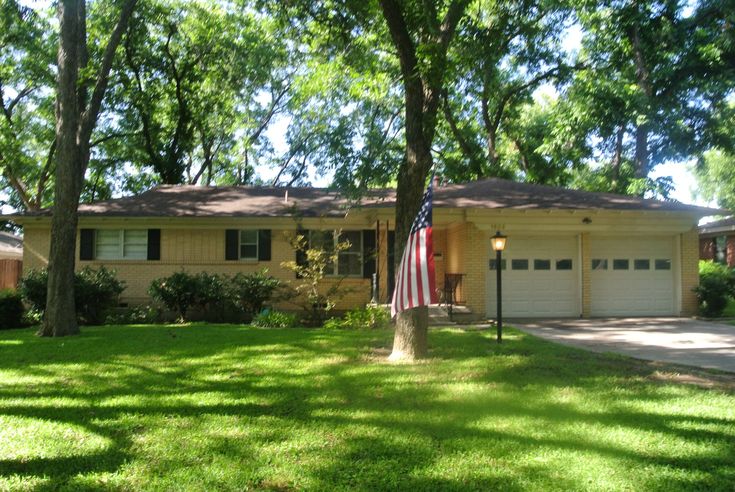
One of the biggest hurdles homeowners face with hail damage insurance claims is differentiating between actual hail impacts and normal wear and tear. Insurance policies typically cover sudden, accidental damage like hail, but not gradual deterioration or age-related wear. This is where an experienced eye is invaluable.
| Feature | Hail Damage Indicators | Pre-Existing Wear Indicators |
|---|---|---|
| Shingle Surface | Dents, bruises, circular impact marks, significant granule loss concentrated in impact areas. Shingles may appear "flattened" in spots. | Curling edges, cracking along edges, general thinning of granules across the entire roof, algae or moss growth, areas worn smooth from age. |
| Granule Loss Pattern | Concentrated in specific areas where hail struck, often forming "streaks" or clusters in gutters. | Evenly distributed across the entire roof surface, or concentrated in areas with heavy sun exposure or water flow. |
| Impact Location | Can occur anywhere on the shingle, including the center and edges. Often appears on all surfaces of the roof exposed to the storm. | Typically shows up along roof edges, in valleys, or areas of high traffic (if any). |
| Age of Roof | Can affect roofs of any age, but older roofs may sustain more severe damage from the same hail event. | More pronounced on roofs nearing the end of their lifespan (typically 15-20 years for asphalt shingles). |
| Surrounding Damage | Often accompanied by dents on siding, AC units, vehicles, etc., indicating a widespread event. | Isolated to the roof itself, with no other collateral damage to the property. |
| Consistency of Damage | Damage is often consistent across the roof in terms of impact type (dents, bruises) from a single storm. | Damage appears varied, with different types of deterioration (curling, cracking, thinning) occurring independently. |
As a DFW roofing contractor, I've seen adjusters sometimes initially attribute hail damage to age, especially on older roofs. However, when you have a roof that's, say, 10-12 years old and you experience a significant hail storm, the evidence of hail impact is usually quite distinct. It’s not just a general thinning of granules; it’s specific indentations. The best way to combat this is with a professional inspection. A seasoned roofer knows what to look for and can articulate the findings to an insurance adjuster in a way that clearly distinguishes hail damage from normal aging. This is where our 13+ years of experience in Arlington and the surrounding DFW area really pay off for our clients. We can provide a detailed report, backed by visual evidence, that helps you navigate these tricky claim distinctions.
If your roof is older (10+ years) and you suspect hail damage, it's even more critical to get a professional inspection. An experienced contractor can help prove that the damage is a result of a specific storm event, not just the natural aging of the roof.
DIY vs. Professional Roof Inspection: When to Call the Experts in Arlington
After a storm, the temptation to do a quick DIY inspection is strong. It seems like the quickest, cheapest way to get an answer. And for minor things, it can be useful. However, when it comes to hail damage and insurance claims, there's a point where DIY can actually hinder your process.
DIY Inspection
Pros: Immediate, no cost, good for initial screening.
Cons: Limited perspective (ground-level), can miss subtle damage, no official documentation for insurance, safety risks on roofs, lacks expertise to differentiate hail vs. wear.
Professional Inspection
Pros: Comprehensive assessment (roof, gutters, siding, AC), expert identification of hail vs. wear, detailed photo/video documentation, understanding of insurance claim requirements, safety assured, can provide repair/replacement estimates.
Cons: Requires scheduling, might involve waiting for availability.
In Arlington, after a significant hailstorm, the demand for roofing contractors spikes. While a homeowner can certainly walk around their property and look for obvious signs, understanding the nuances of hail damage – like the difference between a dent and a bruise, or the extent of granule loss – requires specialized knowledge. I've seen too many homeowners miss crucial damage during a DIY inspection, only to have their insurance claim denied or underpaid because the initial assessment wasn't thorough enough. A professional inspection from a reputable DFW roofing contractor isn't just about finding damage; it's about accurately assessing its severity and documenting it in a way that satisfies insurance requirements. This is why Montesco Roofing offers free, no-obligation inspections. We know what insurance adjusters look for, and we can help you build a strong case for a complete and fair repair or replacement.
If your DIY inspection reveals potential damage, DO NOT rely solely on it for your insurance claim. Always follow up with a professional assessment to ensure nothing is missed and to get official documentation.
When you hire a professional, you're not just getting someone to look at your roof. You're getting an advocate who understands the building codes, the materials, and the insurance process. We can identify the subtle signs of hail impact that might look like minor wear to an untrained eye. This expertise is critical for ensuring your claim is processed accurately and that you receive the full settlement you're entitled to. Our goal is to make the process as smooth and stress-free as possible for you and your family. We're not looking for a quick job; we're building relationships and protecting homes for the long haul.
Navigating Your Arlington Hail Damage Insurance Claim: A Step-by-Step Guide
Dealing with an insurance claim after a hailstorm can feel overwhelming, but with a clear understanding of the process, you can navigate it more effectively. Here in Arlington, like much of DFW, insurers are experienced with storm claims, but being prepared is key to a successful outcome.
Step 1: Initial Storm Assessment
After the storm, conduct your initial DIY inspection (as described earlier). Note any obvious damage. If you suspect hail damage, proceed to the next step.
Step 2: Contact Your Insurance Company
Notify your insurance provider promptly. Many policies have a time limit for reporting damage. Provide them with the date and time of the storm and any initial observations.
Step 3: Schedule a Professional Roof Inspection
This is crucial. Hire a reputable Arlington roofing contractor like Montesco Roofing for a thorough inspection. We'll document all damage and provide a detailed report and estimate.
Step 4: Insurance Adjuster's Visit
Your insurance company will send an adjuster to assess the damage. It's highly recommended that your roofing contractor is present during this inspection to ensure all damage is identified and properly evaluated.
Step 5: Review the Adjuster's Report
Once the adjuster completes their assessment, they will provide a report and an initial estimate. Carefully review this. If it seems low or misses certain damages, don't hesitate to discuss it with your adjuster.
Step 6: Supplementing the Claim (If Necessary)
If your contractor's estimate is higher than the adjuster's, or if additional damage is discovered during repairs, your contractor can submit a "supplemental claim" to the insurance company. This process involves providing further documentation and justification for the additional costs.
Step 7: Approving the Repair/Replacement
Once you and your insurance company agree on the scope of work and the settlement amount, you can authorize your chosen contractor to begin repairs or replacement.
The presence of your contractor during the adjuster's visit is invaluable. We can point out specific types of hail damage that an adjuster might overlook or misinterpret, especially if they are not specialists in roofing. We understand the codes, the materials, and what it takes for a proper, lasting repair. This collaborative approach ensures that your claim accurately reflects the damage your home sustained. For those in Arlington dealing with storm damage, understanding this process is the first step to getting your home back in order.
How to Get This Done
If you want to handle this yourself, here's exactly what you need: [tools/steps for DIY claim filing]. If you'd rather have experienced roofers handle it, our team has done this on hundreds of DFW homes — here's how our process works: We'll meet with your adjuster, present our findings, and advocate for a fair settlement to ensure your roof is restored to its original condition, often with no out-of-pocket expense beyond your deductible.
It's also worth noting that many insurance policies have specific clauses regarding hail damage, including deductibles. Your deductible is the amount you pay before your insurance coverage kicks in. Understanding your policy and your deductible amount is essential before you even start the claims process. This is something we can help you clarify if you're unsure.
Montesco Roofing: Your Trusted Partner for Arlington Hail Damage Assessments in 2026
As a homeowner in Arlington, protecting your investment means having a reliable partner when storm damage strikes. With over 13 years of dedicated service to the DFW community, Montesco Roofing isn't just another contractor; we're your neighbors, committed to providing honest assessments and quality workmanship. We understand the unique challenges of North Texas weather and the specific needs of Arlington homes.
Why Choose Montesco Roofing for Your Hail Damage Assessment?
- 13+ Years of DFW Experience: We know Arlington roofs and the storms that hit them.
- Honest, Expert Assessments: We provide clear, unbiased evaluations of your roof's condition.
- Insurance Claim Specialists: We work with you and your insurance company to ensure a fair settlement.
- Quality Materials & Craftsmanship: We use top-tier materials and our installation is second to none.
- Local Accountability: We are a DFW-based company, here for you long after the storm passes.
When hail damages your roof, it's not just about replacing shingles. It's about restoring the integrity of your entire home. That's why we take a comprehensive approach, inspecting every aspect of your roof system and its impact on your home. We don't cut corners. We believe in doing the job right the first time, using high-quality materials from reputable manufacturers like GAF and Owens Corning, and ensuring proper installation techniques are followed meticulously. This commitment to quality is what sets us apart and provides you with peace of mind.
We've seen the aftermath of countless storms in areas like Fort Worth, Frisco, and right here in Arlington. Our team is trained to identify all types of storm-related damage, from minor granule loss to significant structural issues. We pride ourselves on our transparency; we'll walk you through every step of the process, explain your options, and answer all your questions. Our goal is to make a stressful situation as manageable as possible for you and your family. We're not looking for a quick job; we're building relationships and protecting homes for the long haul.
Need help after a storm? Our team has protected hundreds of DFW homes. Tell us about your roof — free inspection, no pressure.
Get Your Free Roof Inspection →Arlington Hail Damage Roof Inspection FAQ
Frequently Asked Questions
How do I know if my roof was damaged by hail?
When should I schedule a roof inspection after a hail storm?
Can hail damage a roof that is less than 5 years old?
What's the difference between hail damage and normal wear and tear on a roof?
How long does an insurance company typically take to respond to a hail damage claim in Arlington?
Do I need to get multiple quotes for roof repair after hail damage?
What is the typical lifespan of an asphalt shingle roof in DFW?
Montesco Roofing Team
DFW's trusted roofing contractor with 13+ years of experience. Specializing in roof replacements, storm damage repair, and insurance claims across Dallas-Fort Worth.
Get in touch →